
Find the Right Tool to Smooth Your Next Project
Sanding might not be the flashiest part of a woodworking or DIY project, but it’s one of the most important steps to get right. Whether you’re building furniture, reviving an old piece, or prepping surfaces for paint or stain, using the right type of sander makes a big difference.
You’ve probably come across two popular types: orbital sanders and belt sanders. They might seem similar at a glance, but they serve different purposes, and knowing which one to use will help you get better results with less effort (and fewer mistakes).
Here’s what makes each sander unique, what they’re best at, and how to choose the right one for your next project.
What Is an Orbital Sander?
A Tool for Smooth Finishes and Fine Touches
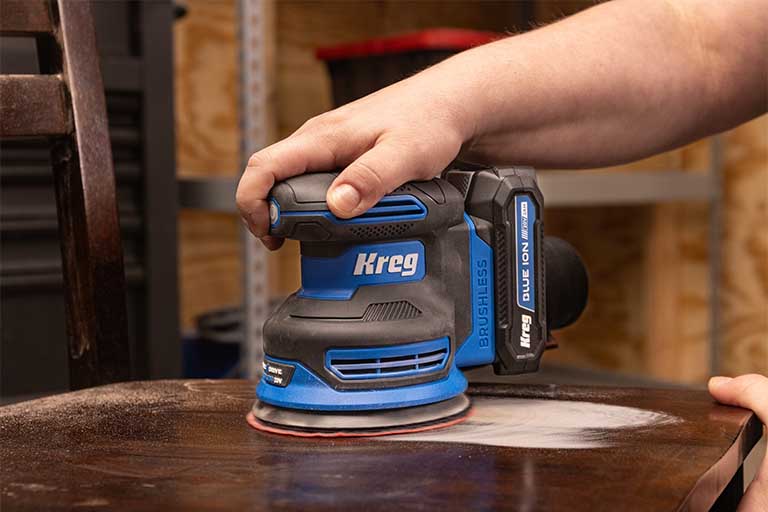
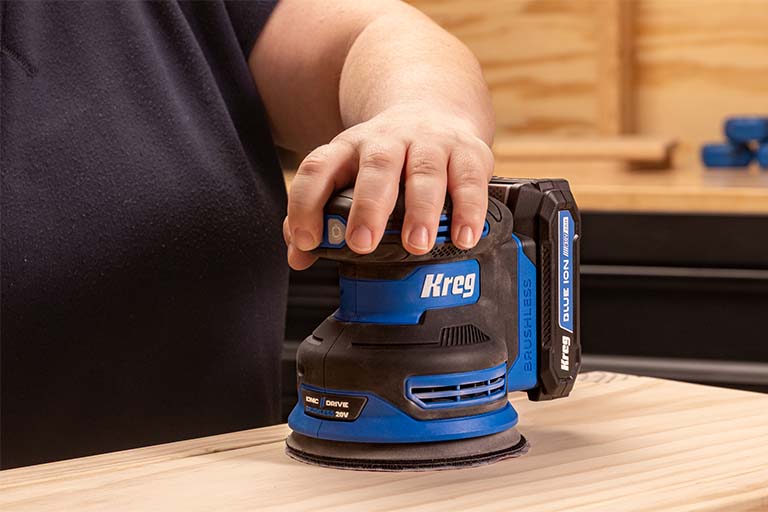
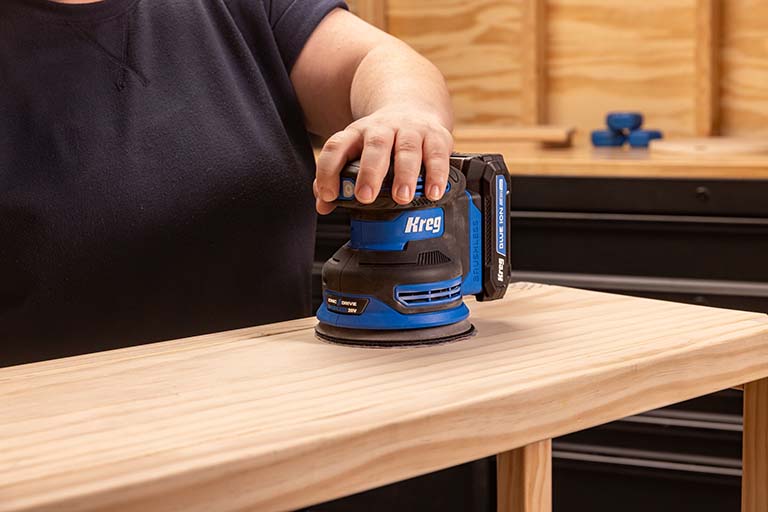
An orbital sander is a handheld tool designed for light-to-medium sanding. It moves the sanding pad in small circles or orbits, which helps prevent gouging or creating scratch patterns on the surface. It’s ideal for smoothing out wood, prepping between coats of finish, or sanding down small imperfections.
There are two main types:
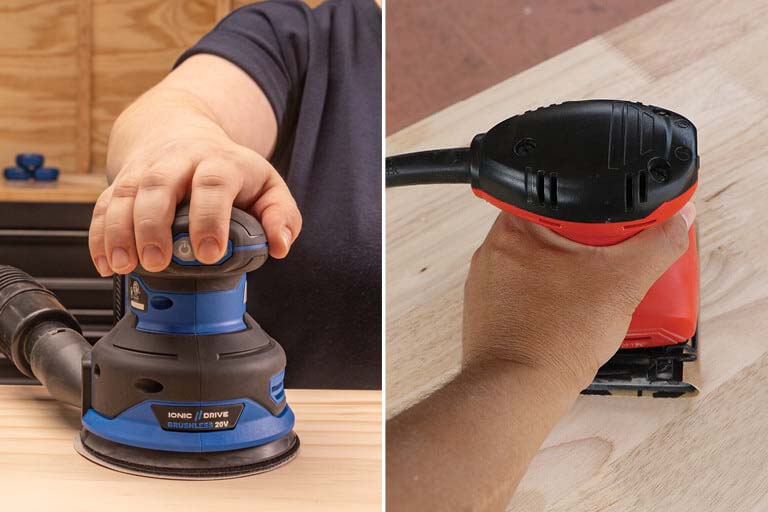
Standard Orbit Sanders
Use a square or rectangular pad that vibrates in a consistent pattern. Great for basic sanding and reaching into corners.
Random Orbit Sanders
Use a round pad that moves in a random, elliptical motion. This helps reduce visible sanding marks and gives you a smooth, swirl-free finish.
Why it’s a favorite: Most woodworkers, especially beginners, reach for a random orbital sander first. It’s versatile, easy to control, and delivers great results on everything from furniture to shelves to painted surfaces. Learn more about what orbital sanders are used for.
When to Use It
- Smoothing wood before painting or staining
- Light sanding between coats of finish
- Refinishing furniture and cabinetry
Pros
- Easy to control
- Great for delicate materials
- Delivers a smooth, polished finish
- Compact and beginner-friendly
- Better dust collection
- Easy to change sanding pads/grit
What Is a Belt Sander?
Built for Heavy Removal
A belt sander is a more powerful sanding tool. It uses a continuous loop of sandpaper (the “belt”) that spins rapidly over two rollers. Unlike orbital sanders, which move in circles, belt sanders work in a straight line – perfect for removing thick material fast.
It’s the go-to tool for flattening large, rough surfaces or stripping old finishes from wood.
Important to know: Belt sanders are effective but require a little more experience and control. If you press too hard or stay in one spot too long, you can easily remove too much material or burn the wood.
When to Use It
- Stripping heavy paint, stain, or varnish from decking and other heavy use areas
- Sanding large, flat surfaces like floors
- Shaping rough-cut or reclaimed wood
- Refinishing hardwood floors
- Leveling glued-up panels or slab work, particularly when working with rough surfaces
Pros
- Extremely fast material removal
- Perfect for large, rough surfaces
- Powerful and efficient
- Great for shaping and flattening

Keep in Mind
Belt sanders are not for delicate projects or fine finishing. They can often leave rough scratches in the material, and you’ll want to follow up with an orbital sander for a smooth final result.
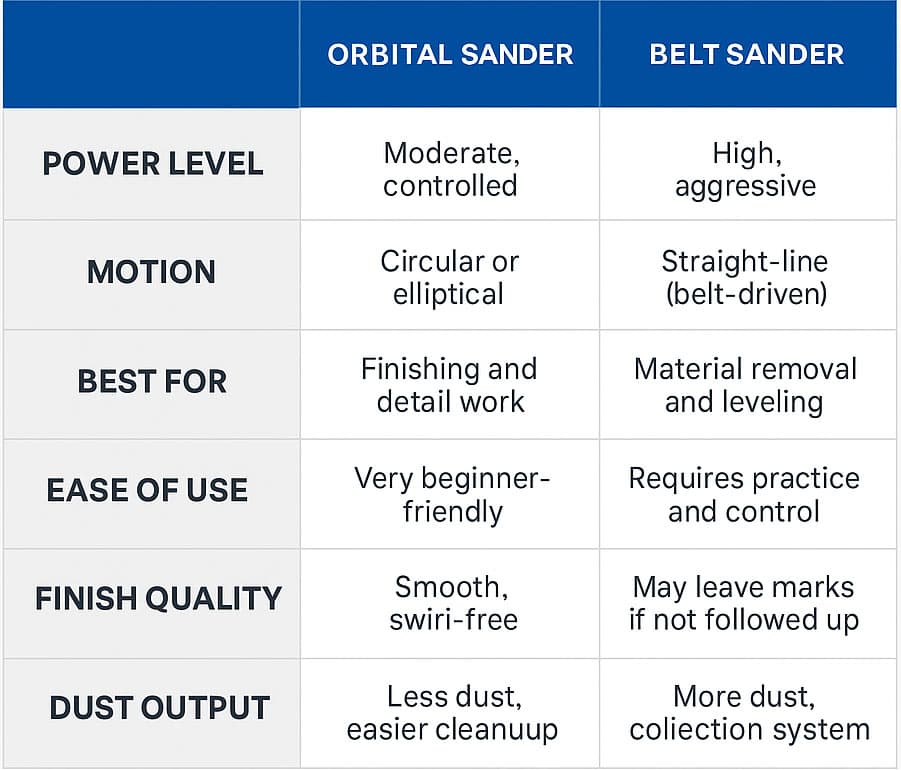
Orbital vs. Belt Sander: Key Differences at a Glance
How to Choose the Right One for Your Project
If you’re still on the fence about which sander to use, here are a few questions that can help you decide.
1. How Big Is Your Project?
Smaller projects like picture frames, drawer fronts, or end tables? Go with an orbital sander.
Larger surfaces like floors, decking, or rough slab work? A belt sander will save you a lot of time.
2. Are You Finishing or Stripping?
Finishing work (like smoothing or prepping between coats) is ideal for orbital sanders.
Stripping old finishes or smoothing rough wood? Belt sanders can be great for knocking off thick coats of finish or smoothing out rough lumber.
3. What’s Your Skill Level?
If you’re new to sanding or working on your first projects, an orbital sander is the safest and easiest to learn.
If you’ve got a little more experience or you’re working with tough surfaces, a belt sander can be incredibly helpful. Just take your time and practice first.
4. Do You Want a Cleaner Work Area?
Orbital sanders tend to produce less dust and often come with better built-in dust collection systems. If you’re sanding indoors or in a tight space, they’re the more cleanup-friendly choice.
Tip: Use Them Together
Many woodworkers keep both tools in their toolkit, and for good reason.
This combo gives you the best of both worlds: power and polish.
Final Thoughts
Choosing between an orbital sander and a belt sander isn’t about being “right” or “wrong” — it’s about knowing what your project needs and matching the tool to the task.
If you’re just getting started with woodworking or refinishing, we recommend beginning with a random orbital sander. It’s versatile, forgiving, and easy to learn on. As your confidence grows adding a belt sander to your arsenal can be a big time saver for bigger jobs with a lot of material removal needed.
Whatever you’re building, restoring, or creating, the right tools help make your process smoother and more enjoyable. So take your time, learn how each tool works, and trust your instincts as you go.
Associated Products
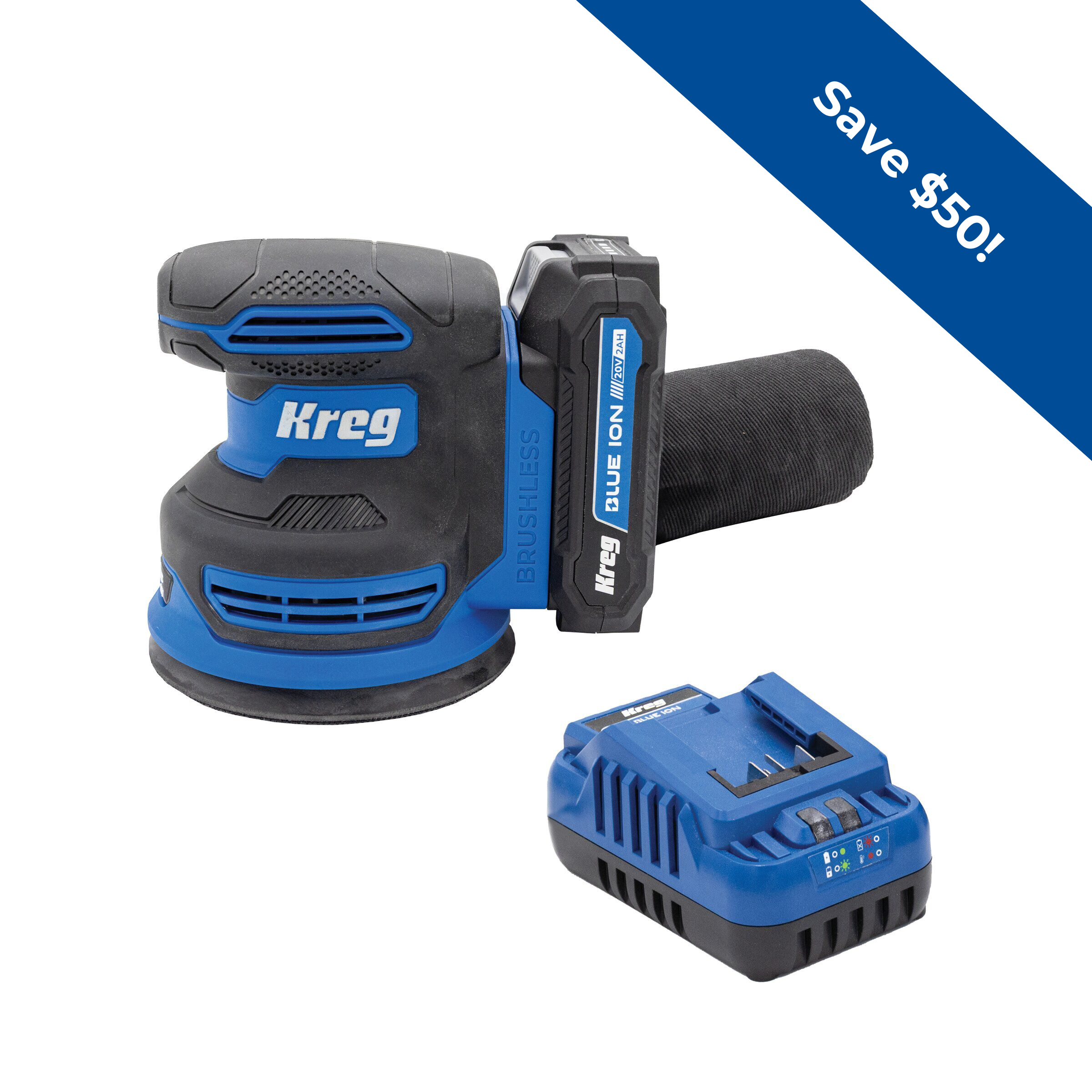
Kreg 20V Ionic Drive™ 5" Random Orbit Sander Kit
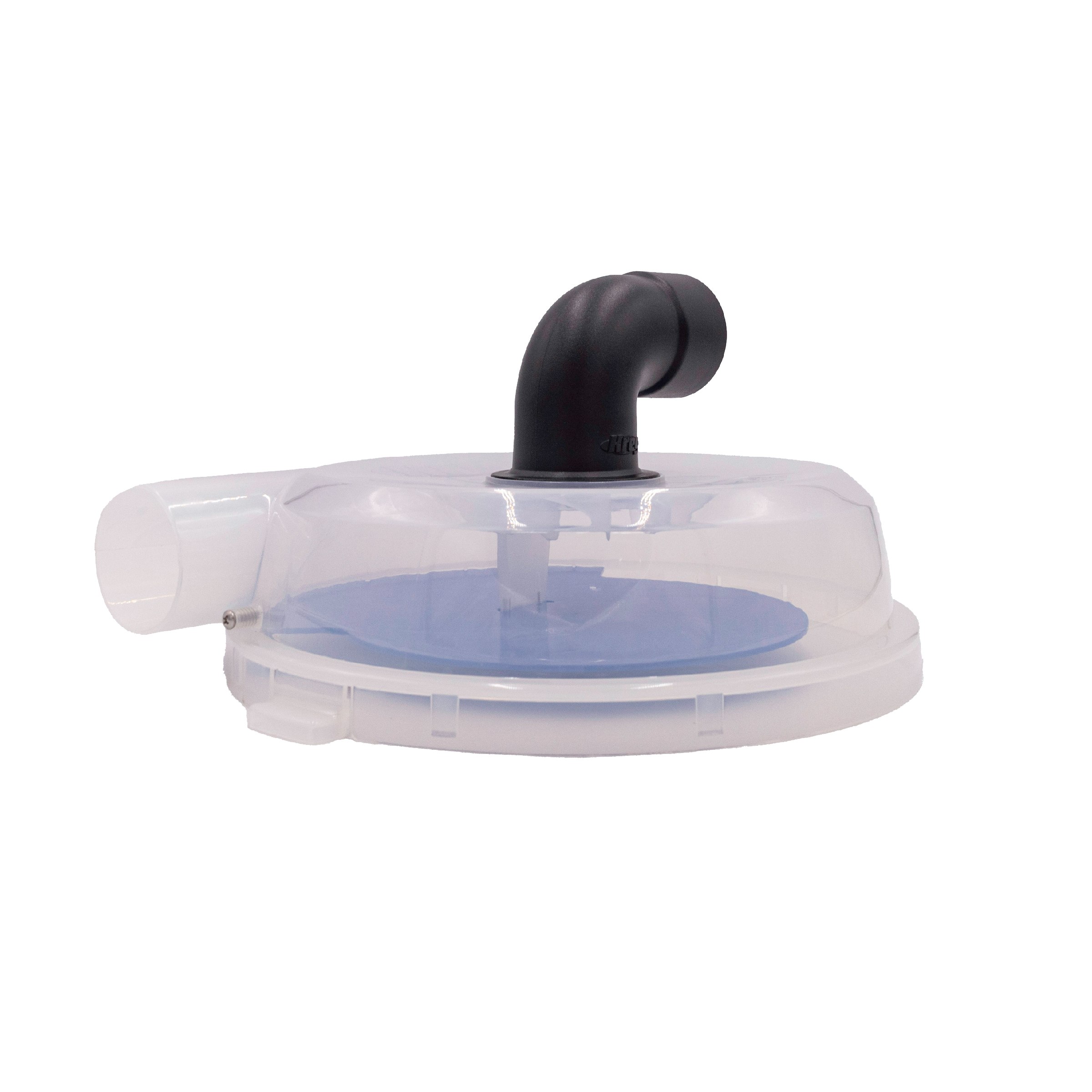
Dust Separator