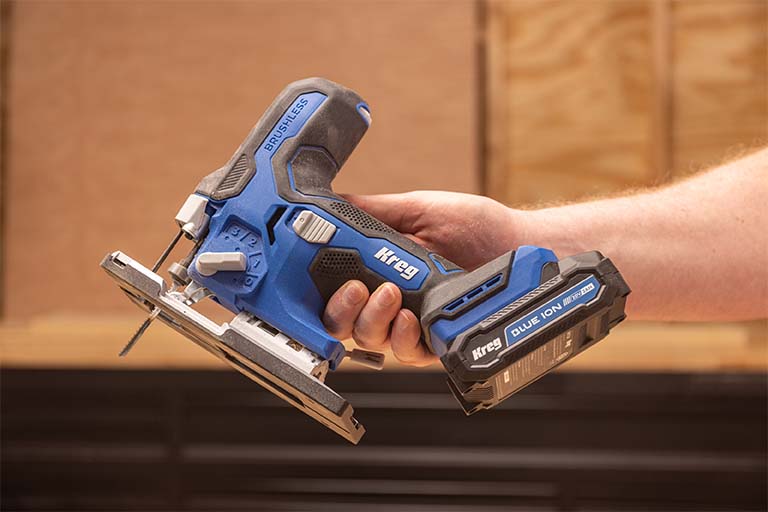
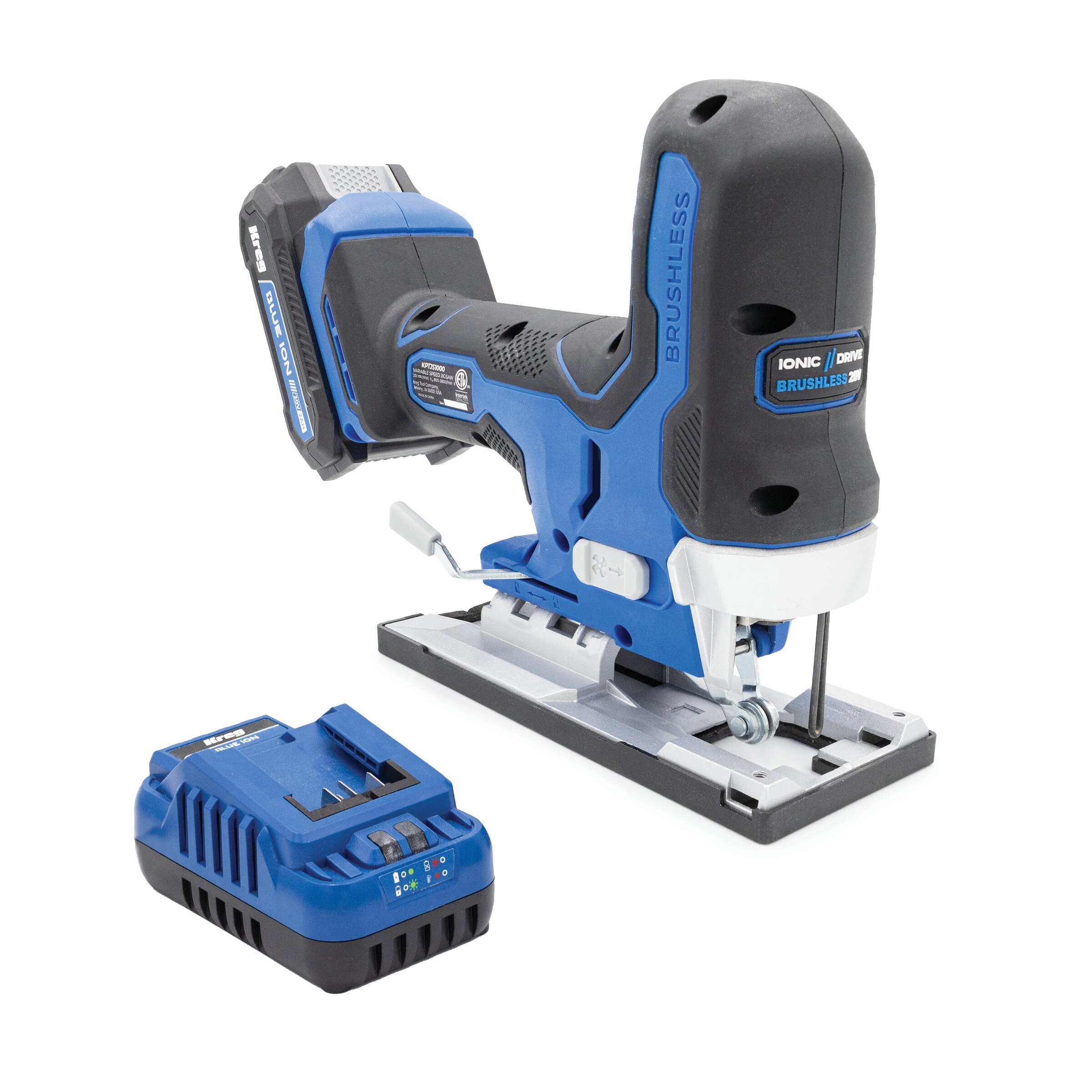
What is a Jigsaw?
Jigsaws are a workshop favorite for a reason: they do what other saws can’t. When you need to cut tight curves or tackle a mix of materials with one tool, the jigsaw steps in. It’s flexible, beginner-friendly, and surprisingly precise when used right. In this article, we’ll break down the top uses for a jigsaw, explore the features that make it so versatile, and share tips to get the most out of your cuts.
What Makes a Jigsaw Unique?
The jigsaw stands out because of its blade motion. Unlike circular saws or reciprocating saws, it uses a narrow, vertically oriented blade that moves in a rapid up-and-down motion. This design allows for incredible maneuverability, whether you’re tracing a smooth curve or cutting a square hole in the center of a board.
But what really sets it apart is its range. Swap out the blade, and you can cut:
- Wood and plywood for furniture or decorative projects
- Metal like aluminum and thin steel sheets
- Plastic and PVC for plumbing or craft projects
- Laminate countertops
- Ceramics and other masonry products
Add to that its ability to make plunge cuts and bevel cuts, and you’ve got a tool that can handle a wide range of DIY tasks and woodworking challenges.
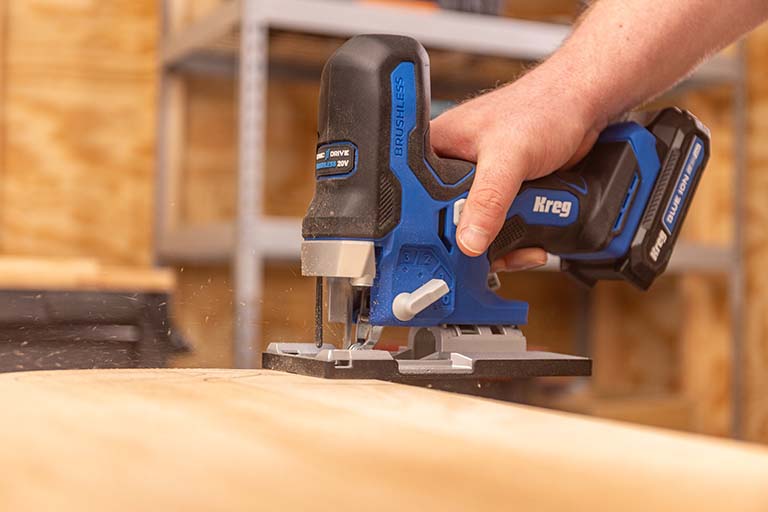
Jigsaw Features to Know
Understanding the built-in features of your jigsaw helps unlock even more potential:
- Blade Type & TPI: The blade’s tooth count (TPI) affects speed and finish. Higher TPI = cleaner cuts. Lower TPI = faster cuts.
- Orbital Action: This setting changes the motion from purely up-and-down to slightly elliptical, improving speed through wood.
- Variable Speed: Lower speeds are best for metal and plastic. Higher speeds make quick work of wood.
- Bevel Adjustment: Tilt the baseplate to cut angles or decorative bevels.
- Dust Blower: Maintains a constant stream of air to blow debris and dust away from the cutline.
Top 7 Uses for a Jigsaw
1. Cutting Curves and Complex Shapes
The jigsaw’s bread and butter is curved cuts. From scrollwork and rounded corners to abstract designs, it excels where other saws falter. The narrow blade can turn on a dime, and with a little finesse, you can produce clean, intricate patterns in wood, plastic, or laminate.
Tips:
- Use a thin, high tooth-per-inch blade for clean results on tight curves
- Make relief cuts to avoid blade binding on sharp turns
- Move slowly and let the blade do the work
2. Making Straight Cuts (With a Little Help)
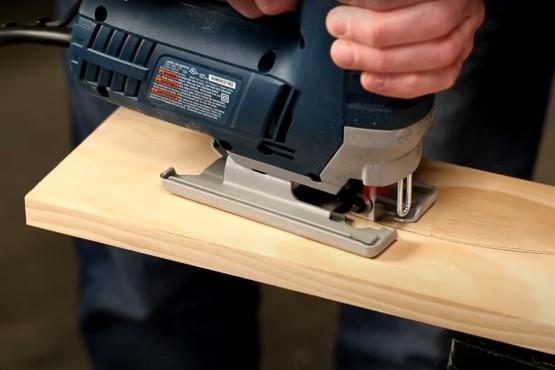
Although jigsaws are known for curves, straight cuts are totally doable. For long, accurate cuts, a straightedge or guide is your best friend. A wider, more rigid blade also helps prevent wobble or drift.
Tips:
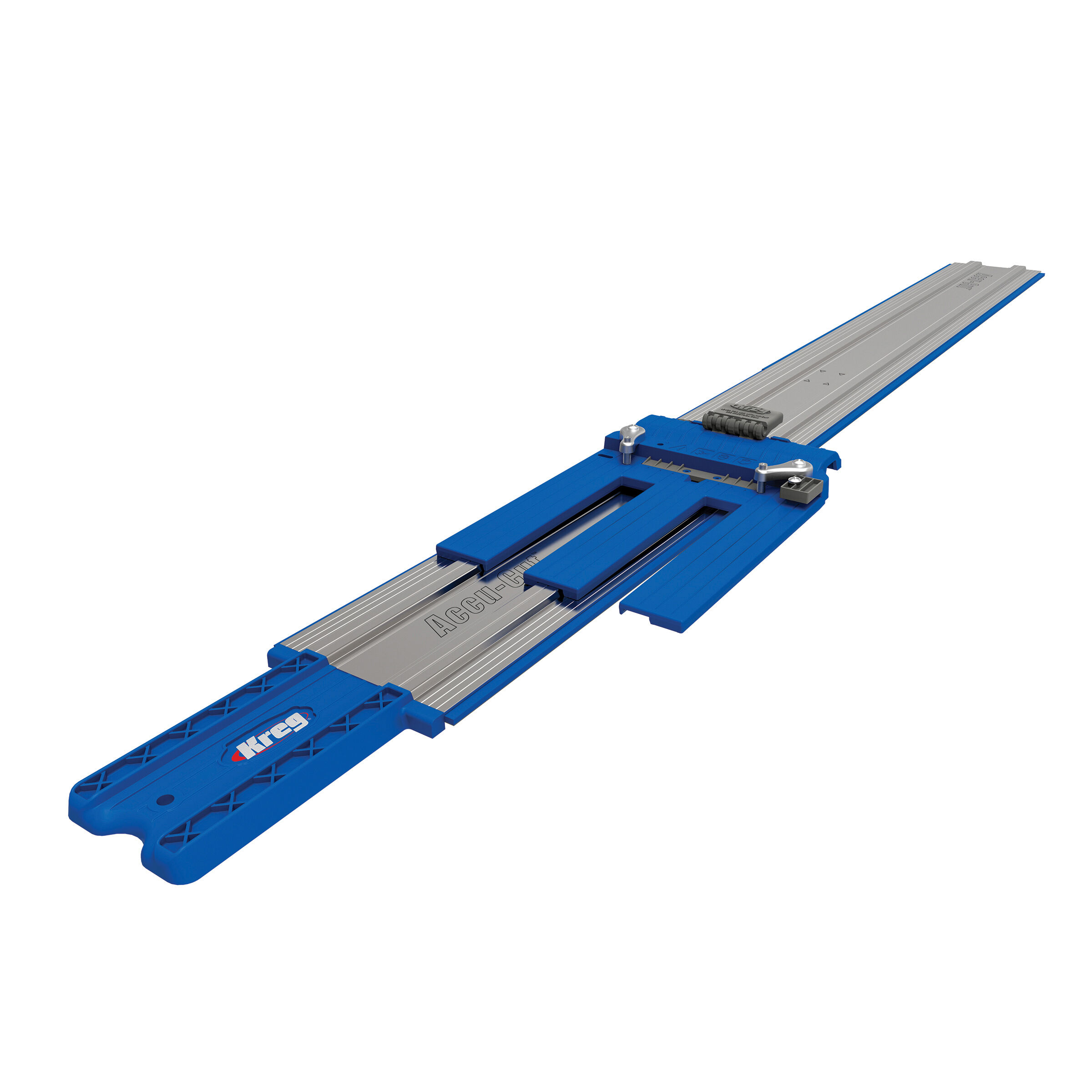
Clamp a guide
Choose a wider blade for straight line stability and to prevent blade drift
Keep your baseplate flat and steady throughout the cut
3. Interior Cutouts and Plunge Cuts
Need a square hole in the middle of a board? The jigsaw can get you there without starting from the edge. Just drill a starter hole, insert the blade, and cut from the inside out.
Perfect for:
Sink openings in countertops
Grab handles in charcuterie boards
Cutting access panels in cabinets
Making cutouts for router templates
Tips:
Use a drill to create a blade entry point
Scroll blades allow tighter turns and cleaner internal corners
Go slow and maintain control to avoid splintering
Ensure that orbital settings are set to 0 (if applicable)
4. Bevel and Angled Cuts
Many jigsaws allow you to tilt the shoe (baseplate) to make bevel cuts — often up to 45 degrees. This is useful for adding visual interest to trim pieces or creating angled joints.
Tips:
Lock in your desired angle before starting
Test your angle on scrap material first
Slow down to maintain clean, accurate bevels
5. Trimming and Resizing Materials
From adjusting cabinet panels to trimming doors or flooring, the jigsaw is ideal for on-the-fly modifications. Its maneuverability makes it especially useful in tight spaces where circular saws won’t fit.
Tips:
Use a high-tooth-per-inch blade for a smooth edge
Sand after cutting for a clean edge
Clamp your material securely to avoid movement mid-cut
6. Cutting a Variety of Materials
The jigsaw shines across multiple surfaces — as long as you have the right blade.
Wood & Plywood
High speed and medium TPI blades
Use painter’s tape to reduce splintering
Metal
Bi-metal blades with high TPI
Apply cutting oil and cut slowly
Clamp tightly to reduce vibration
Plastic & Laminates
Fine-tooth blades, slower speed
Avoid melting by not forcing the blade through the cut
Ceramic Tile
Use a carbide-grit blade
Cut slowly and apply masking tape to reduce chipping
7. Home Projects and DIY Installations
Jigsaws are go-to tools for creative and practical home projects. They’re light enough for one-handed use, and with the right setup, they can tackle anything from fine woodworking to remodeling tasks.
Project Ideas:
- Charcuterie boards
- Decorative wall art and signs
- Cutting flooring to fit around corners
- DIY furniture projects
- Sink and fixture installation in kitchens and baths
Learn more with our guide on how to use a jigsaw.
Expert Tips for Better Jigsaw Results
Even though jigsaws are user-friendly, a few simple habits can dramatically improve your results:
1. Let the Tool Work
Don’t force it. Gentle pressure produces better results and protects your blade.
2. Keep the Shoe Flat
Lifting or rocking the tool mid-cut can cause jagged edges or broken blades.
3. Use Tape to Prevent Splintering
Painter’s tape on the cut line helps keep veneers and delicate surfaces clean.
4. Cut from the Backside
When using up-cut blades, flip the material to keep the visible side clean.
5. Clamp Your Work
Reduces movement, vibration, and accidental blade deflection.
6. Start with a Pilot Hole for Interior Cuts
A 1/2″ hole gives you plenty of room to insert the blade and start cleanly.
7. Clean and Maintain Your Jigsaw
Blow out dust, check for loose parts, and keep blades sharp for consistent performance.
8. Prioritize Safety
Always unplug the cord or remove the battery pack when changing blades
Wear eye and ear protection
Keep hands clear of the blade and cutting path
The Bottom Line
From artistic accents to everyday home repairs, the jigsaw earns its spot in every toolbox. It’s a multi-purpose powerhouse that delivers flexibility, precision, and creative freedom. Whether you’re making fast cuts or fine ones, the right blade and technique make all the difference.
So the next time your project calls for something more than a straight line, grab your jigsaw. You’ll be surprised at just how much it can do.
![How to Use a Jigsaw: </br>Complete Beginner’s Guide [2025]](https://learn.kregtool.com/wp-content/uploads/2025/04/Website-RGB-KPTJS100A-LSP-2Q5A8643.jpg)