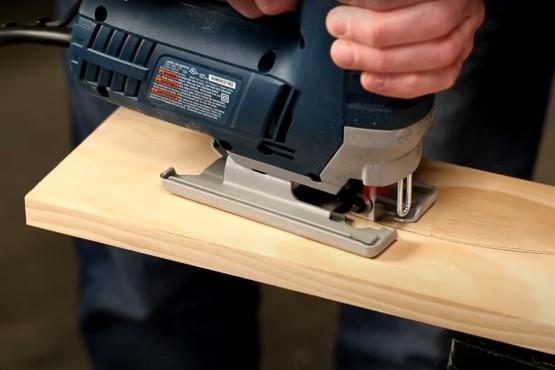
Whether you’re cutting intricate curves, straight lines, or custom shapes, a jigsaw is one of the most versatile tools you can add to your DIY toolbox.
In this beginner-friendly guide, you’ll see what a jigsaw is, how it works, what types are available, and how to use it safely and effectively across a range of materials.
Introduction to Jigsaws
A jigsaw is a handheld power tool designed to cut various materials using a thin, vertically moving blade. Unlike circular saws or miter saws that are made for long straight cuts, jigsaws excel at cutting curves, shapes, and cutouts, especially in wood, plastic, and metal.
Anatomy of a Jigsaw: Essential Components Explained
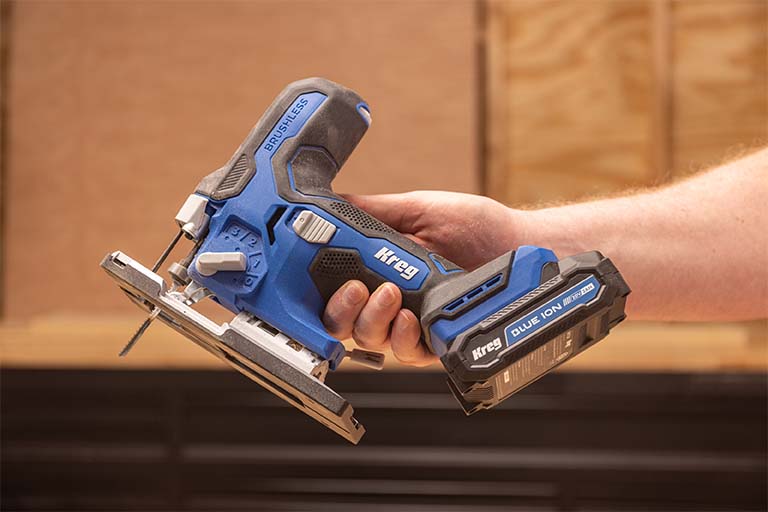
To get the most out of your jigsaw, it helps to understand its main parts:
Motor Housing
Contains the motor that powers the blade.
Blade Clamp
Holds the blade in place.
Base Plate (Shoe)
Rests against your material and can tilt for bevel cuts.
Trigger or Speed Dial
Controls how fast the blade moves.
Orbital Action Lever (On some models)
Adjusts the movement pattern of the blade.
Dust Blower or Port
Keeps the cut line visible.
Handle
Either top-handle or barrel-grip for control and comfort.
How Does a Jigsaw Work?
A jigsaw operates by moving a thin blade up and down at high speeds (usually measured in strokes per minute, or SPM). As you guide the tool forward, the blade removes material with each stroke.
Some jigsaws feature orbital action, which moves the blade in a slightly forward-and-up motion during the cutting stroke to improve speed and efficiency, especially when cutting wood.
Types of Jigsaws
Choosing the right type of jigsaw depends on your preferences and project needs.
Corded vs. Cordless Jigsaws
- Corded models offer unlimited runtime and are often more powerful.
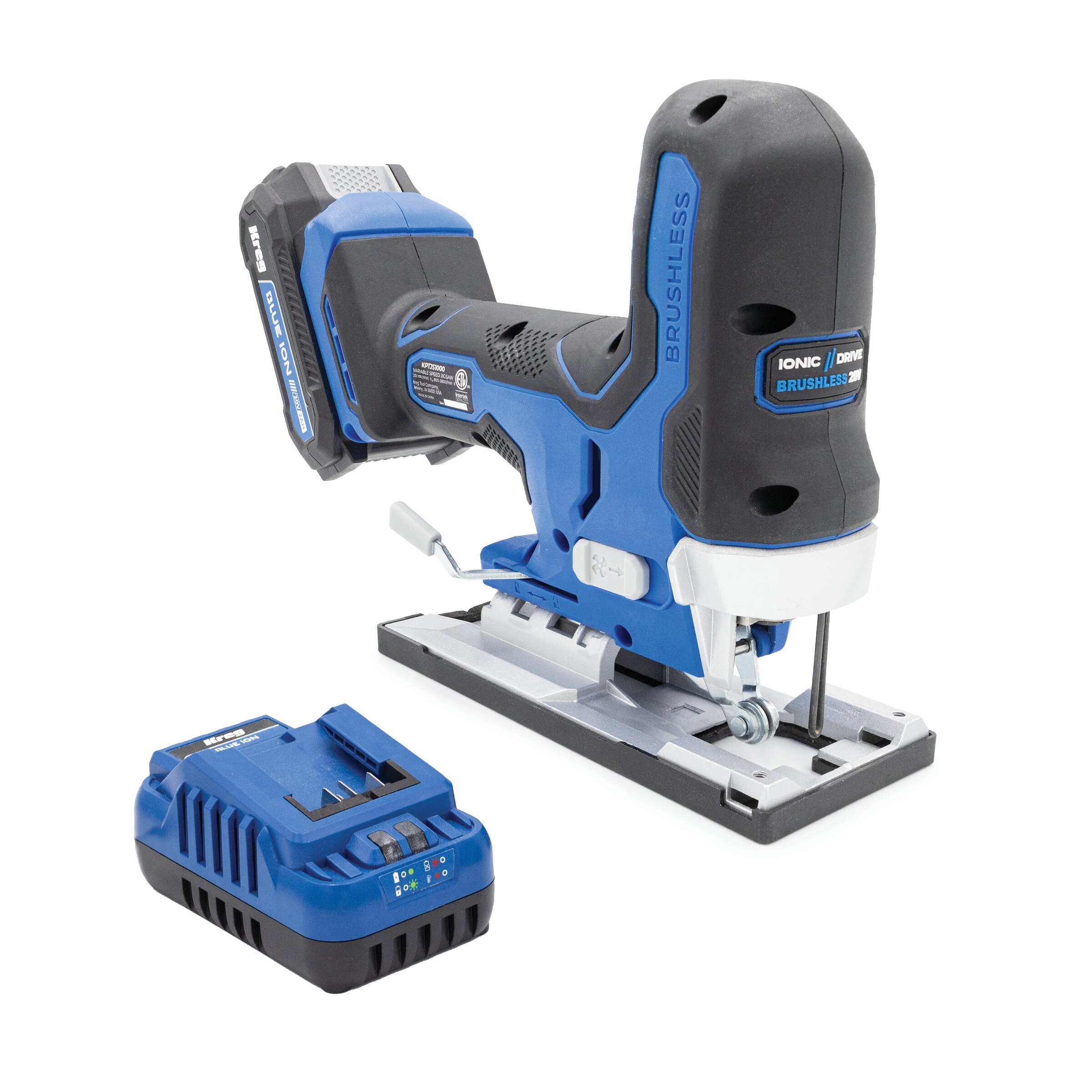
- Cordless models provide greater portability and flexibility.
Top-Handle vs. Barrel-Grip Jigsaws
- Top-handle (D-handle) jigsaws are easier for most beginners to control.
- Barrel-grip jigsaws offer a lower center of gravity, preferred by some for precision cuts.
Orbital Jigsaws
These have adjustable orbital settings to allow more aggressive or refined cuts. Best for users who want more control over cut quality and speed.
Pneumatic Jigsaws
Rarely seen in DIY settings, these are air-powered and typically used in industrial applications.
When to Use a Jigsaw: Applications and Project Ideas
What is a jigsaw used for? Jigsaws can tackle a wide range of woodworking, renovation, and crafting tasks.
Curved and Intricate Cuts
Perfect for cutting scrolls, shapes, and decorative curves in wood, plastic, or metal.
Straight Cuts and Crosscuts
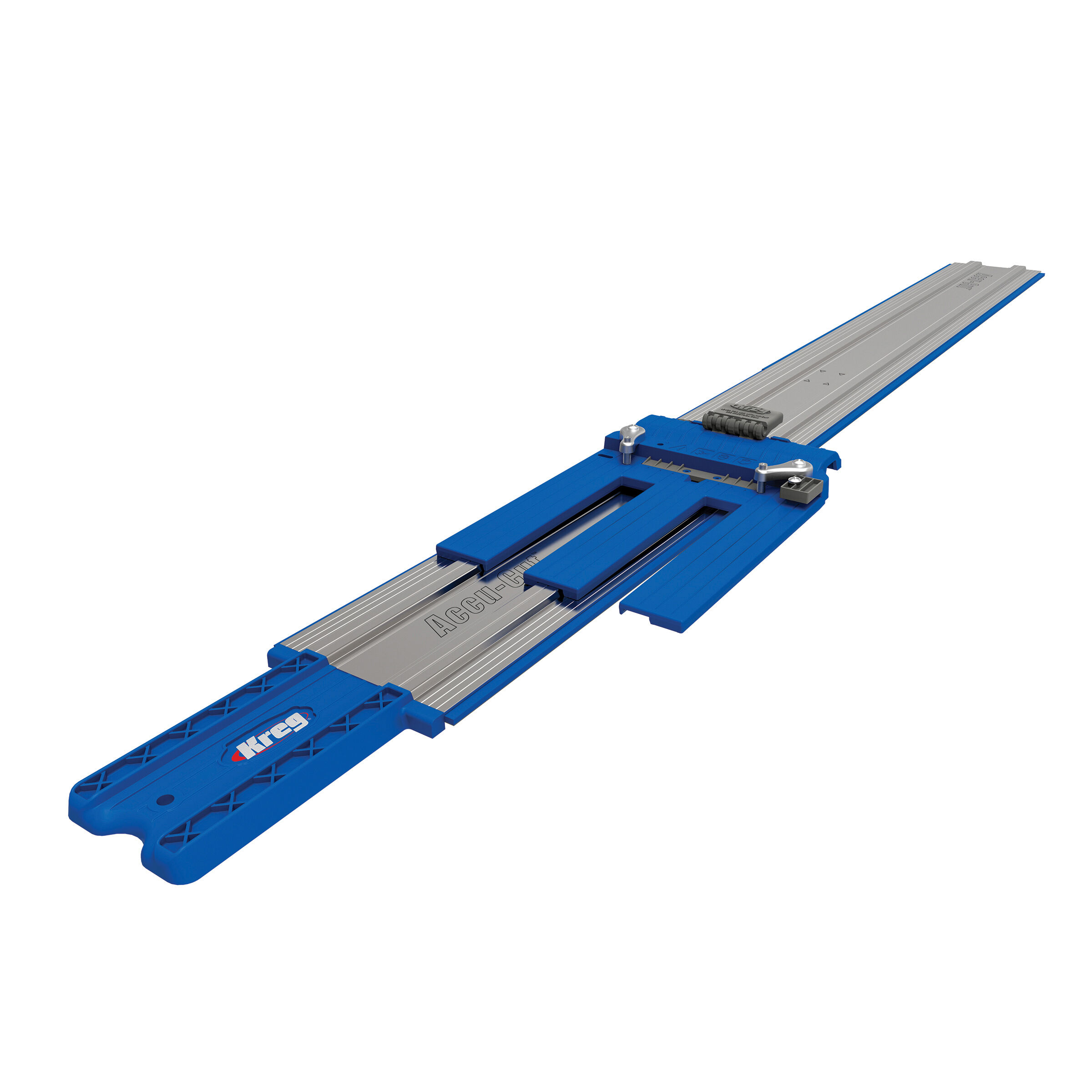
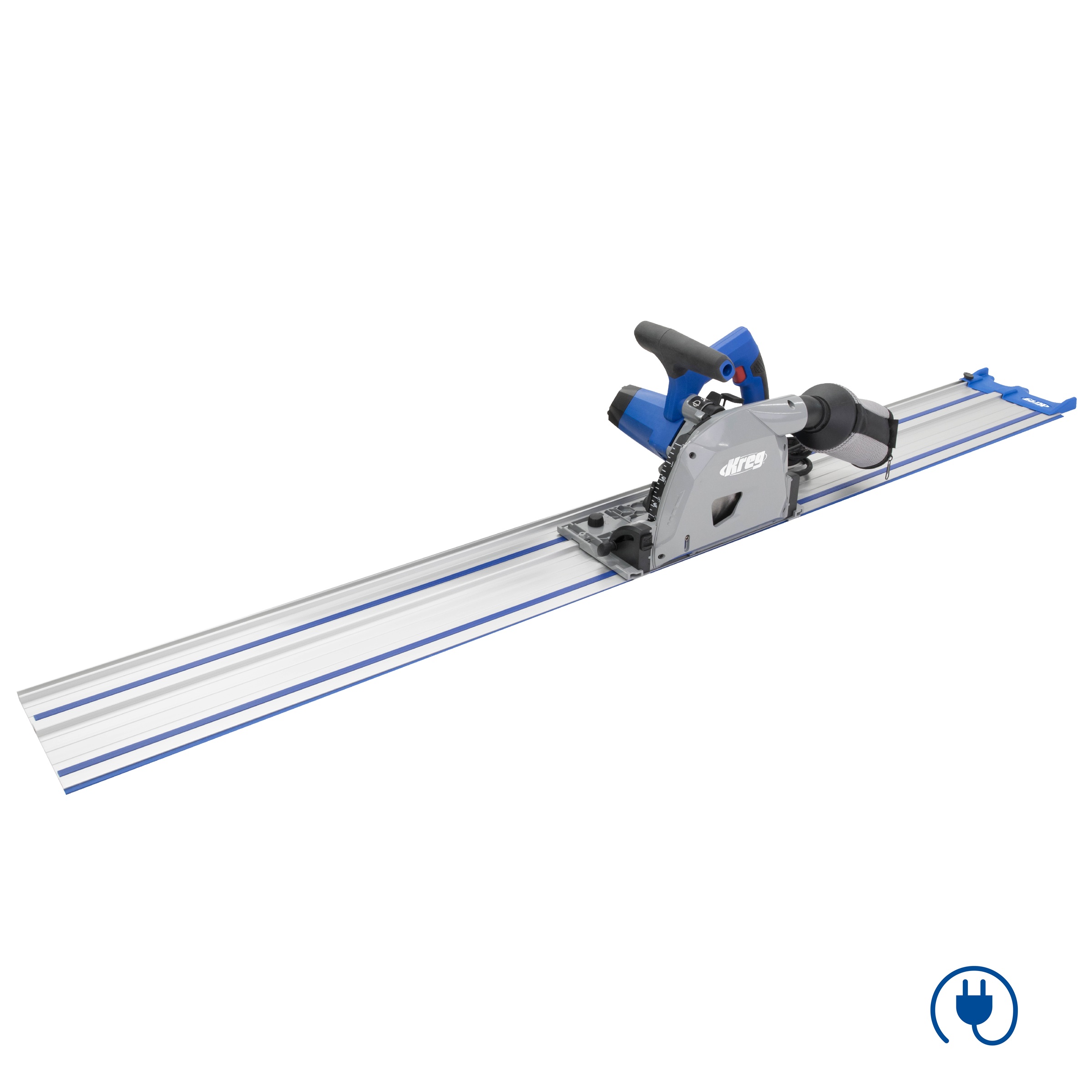
While not as precise as a track saw or table saw, a jigsaw can cut straight lines with a guide or square edge.
Specialty Applications
- Cutting out sink openings in countertops
- Trimming laminate flooring
- Making cutouts for electrical boxes
Material-Specific Applications
- Softwood and hardwood
- Plywood and MDF
- PVC and plastics
- Sheet metal and aluminum
- Tile and laminate (with specialty blades)
How To Use a Jigsaw (Step-by-Step)
Using a jigsaw safely and accurately involves more than just turning it on. Follow these steps:
1. Choose the Right Jigsaw Blade
T-Shank vs. U-Shank Blades
- T-shank blades are more common and provide tool-free changes
- U-shank blades require a screwdriver or tool for installation
Teeth Per Inch (TPI) and Blade Material
- Higher TPI for smoother cuts (ideal for metal or finish work)
- Lower TPI for faster, rougher cuts (ideal for wood)
- Look for bi-metal or carbide-tipped blades for durability
Best Blades by Material
- Wood: 6–10 TPI
- Metal: 18–32 TPI
- PVC: 10–14 TPI
- Tile: Tungsten carbide grit blade (no teeth)
When to Replace a Blade
If the blade burns the wood, deflects, or cuts slowly, it’s time for a new one.
2. Mark Your Cut Line
Use a pencil, marker, or painter’s tape to clearly mark your cut line. A straightedge or template can help guide the cut.
3. Clamp Your Workpiece
Secure your material to prevent movement. Use clamps or a sawhorse with a sacrificial backing board.
4. Adjust Settings (Orbital Action, Speed)
Set orbital action based on your material:
High for fast, rough wood cuts
Low or off for curves and harder materials
Adjust speed (if your jigsaw allows it) for greater control.
5. Start Slow and Let the Blade Do the Work
Position the jigsaw at the edge of the cut line. Start the tool, then slowly guide it into the material. Avoid forcing the tool forward.
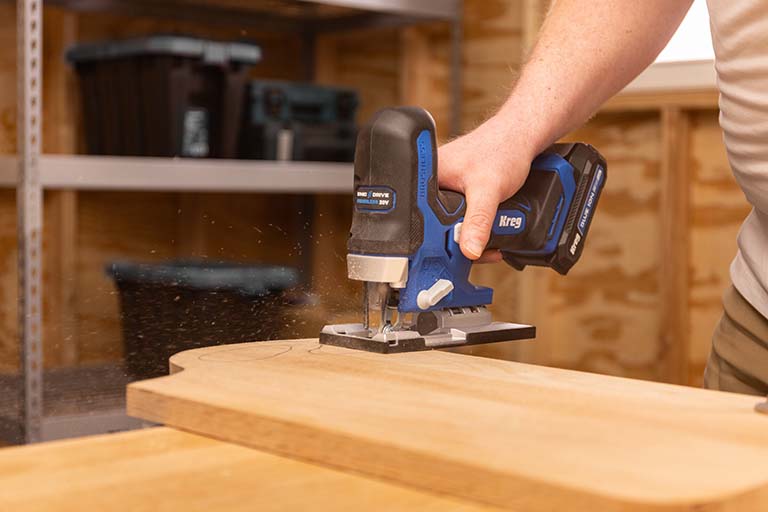
6. Follow the Cut Line Steadily
Maintain consistent speed and pressure. Use both hands if needed – one on the handle and one guiding the base plate.
7. Finish the Cut and Power Down Safely
Let the blade come to a complete stop before lifting the jigsaw off the material.
Making Different Types of Cuts
Before you start cutting, it helps to understand how a jigsaw handles different types of cuts. With the right blade and technique, you can make everything from tight curves to clean bevels.
Cutting Curves and Circles
Use narrow, high-TPI blades for tight curves. Go slow and make relief cuts if needed to prevent binding.
Cutting Straight Lines
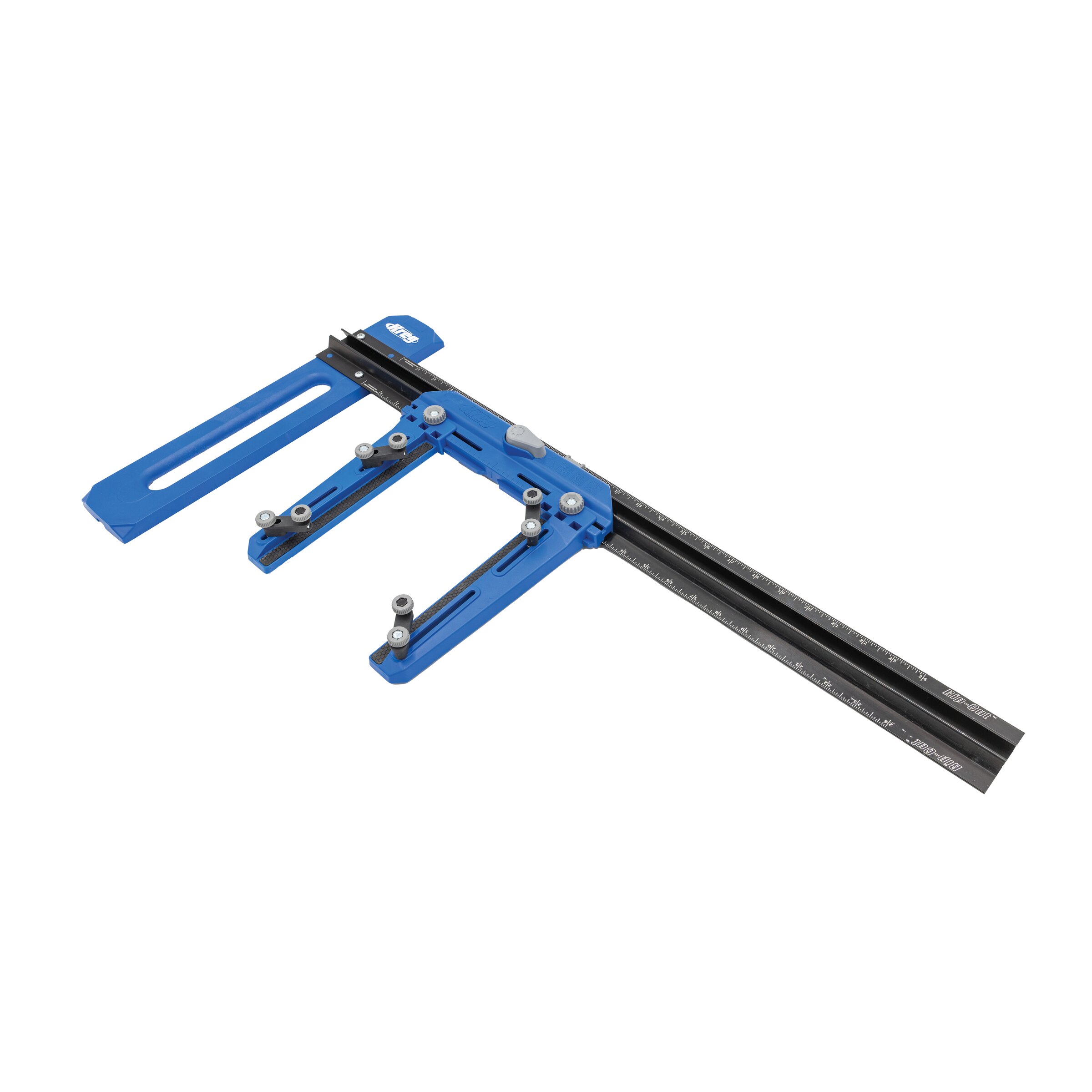
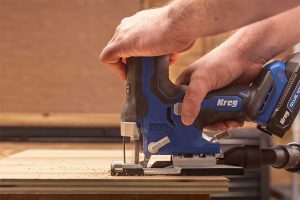
Clamp a straightedge (like a ruler or scrap board) to guide your cut. Some edge guides (like the Kreg Rip-Cut™) are compatible with jigsaws. The key is to start slow to stay on track.
Making Bevel Cuts
Tilt the base plate (usually up to 45°) to make angled cuts.

Making Plunge Cuts
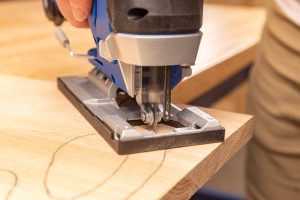
Start with the jigsaw tilted forward so only the front edge of the base plate is touching the surface you’re about to cut. Then, with the blade at low speed, gradually tilt the jigsaw down into the material.
Cutting Different Materials
How to Cut Wood with a Jigsaw
Use a coarse blade, medium orbital action, and medium speed. Apply light pressure and avoid blade deflection.
How to Cut Metal with a Jigsaw
Use a high-TPI blade, disable orbital action, and go slow. Apply cutting oil for smoother results.
How to Cut Tile and Ceramics
Use a carbide-grit blade. Go slow, disable orbital action, and wear eye protection. Ideal for minor tile cutouts, not long cuts.
How to Cut Plastic and Laminates
Use a fine-tooth blade and go slow to avoid melting. Masking tape over the cut line can help reduce chipping.
Jigsaw Safety Tips
- Always wear safety glasses and hearing protection
- Unplug or remove battery before changing blades
- Clamp your workpiece securely
- Keep fingers away from the blade path
- Let the blade fully stop before setting the tool down
- Don’t force the cut — let the blade do the work
- Avoid loose clothing or jewelry while operating
Common Jigsaw Mistakes to Avoid
- Using the wrong blade for the material
- Skipping the clamp, which can lead to inaccurate cuts or kickback
- Pushing too fast, which can bend the blade or damage the material
- Not using a guide when a straight cut is needed
- Cutting without marking the line clearly
- Forgetting to check settings (orbital action or speed)
![How to Use a Jigsaw: </br>Complete Beginner’s Guide [2025]](https://learn.kregtool.com/wp-content/uploads/2025/04/Website-RGB-KPTJS100A-LSP-2Q5A8643.jpg)