
If you’re starting to build furniture, shelves, or home projects that need clean edges and tight joinery, a router quickly becomes one of your most valuable tools. But once you start shopping, you’ll find two main types: trim routers and full-size routers. Both shape and cut wood with precision, but they’re built for different kinds of work.
Knowing which one to use can save time and improve your results. This guide breaks down the differences between trim routers and full-size routers so you can match the right tool to your projects, skill level, and shop setup. You’ll learn what each does best, how they compare in performance, and which one fits the way you like to work.
The Basics: What Each Router Type Does
Routers shape, cut, and refine wood edges using a spinning bit that removes material with precision. They’re used for joinery, trimming, and decorative work. Both trim routers and full-size routers perform similar tasks, but their power, size, and bit capacity make them better suited to different jobs.
Let’s look at what each type offers.
Trim Router Overview
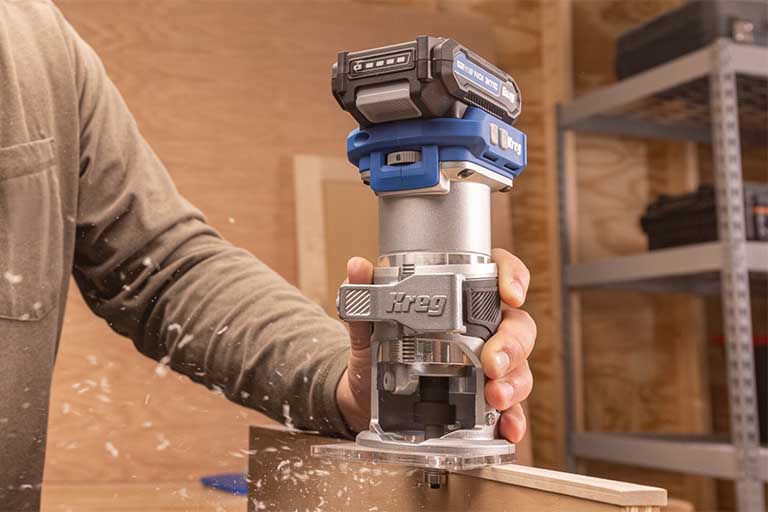
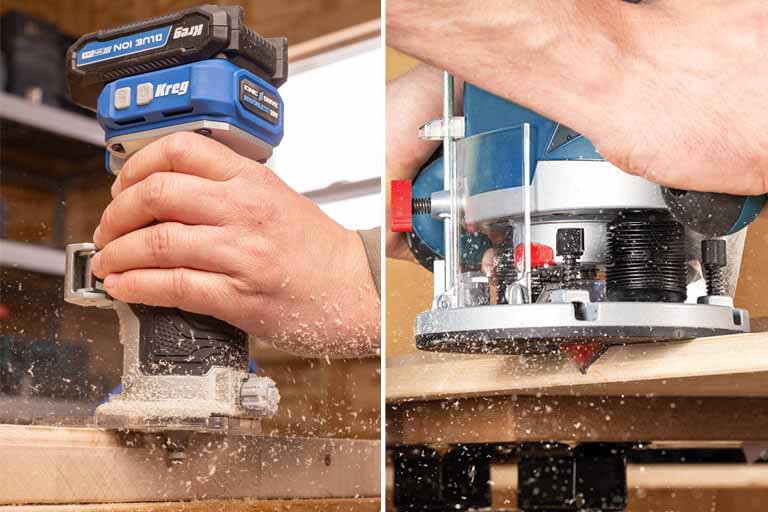
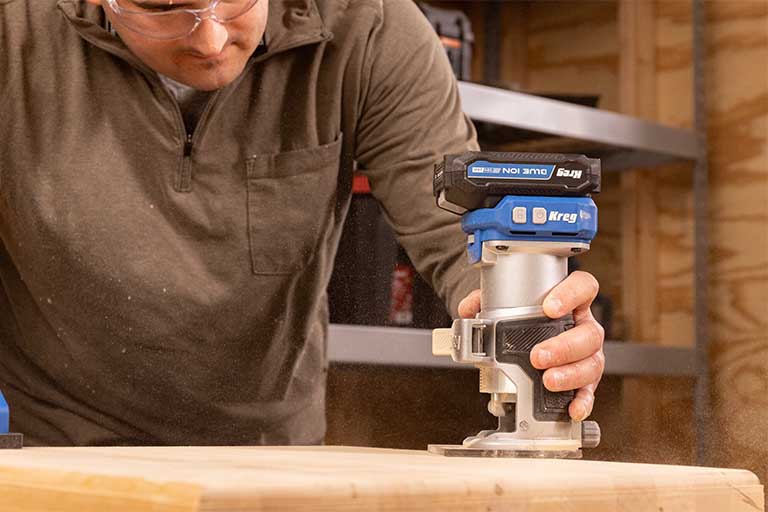
A trim router is compact and light enough to use with one hand. It’s built for smaller bits and shallow passes. Most models have motors in the 1 to 1.25 horsepower range, which is plenty for edge rounding, laminate trimming, and light joinery.
Trim routers are ideal for:
- Rounding over edges on shelves or tabletops
- Flush trimming veneer or laminate
- Cutting small dadoes or rabbets in thin stock
- Routing hinge mortises or sign lettering
They shine when precision and control matter more than raw power. You can guide them easily along edges, making them perfect for fine detail work. Many woodworkers keep one set up with a roundover or chamfer bit for quick touch-ups between projects.
Quick Tip: If you’re routing narrow pieces, use a base plate extension or edge guide for better stability. Trim routers are light, which helps with control, but their small bases can tip on narrow stock.
Full-Size Router Overview
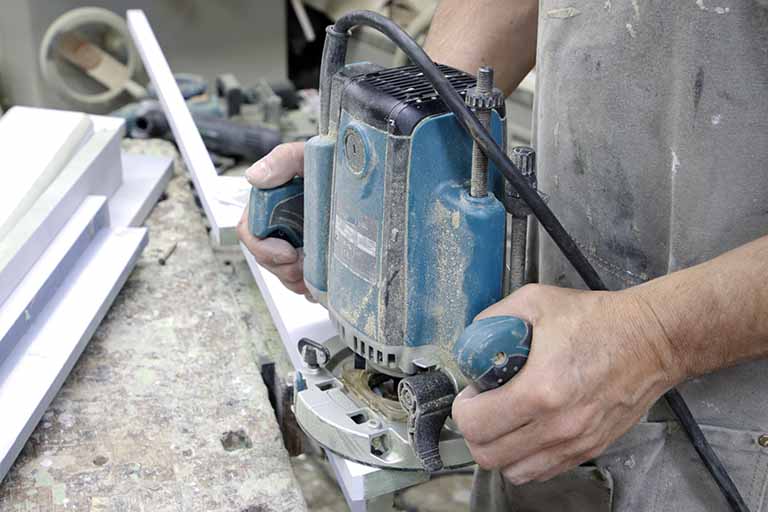
A full-size router is the powerhouse of the two. It typically ranges from 2 to 3.25 horsepower and can handle bits up to 2 inches or larger in diameter. These routers cut deeper and remove more material in a single pass.
Full-size routers are ideal for:
- Cutting deep dadoes, mortises, and grooves
- Shaping raised panels and heavy moldings
- Using large pattern or straight bits
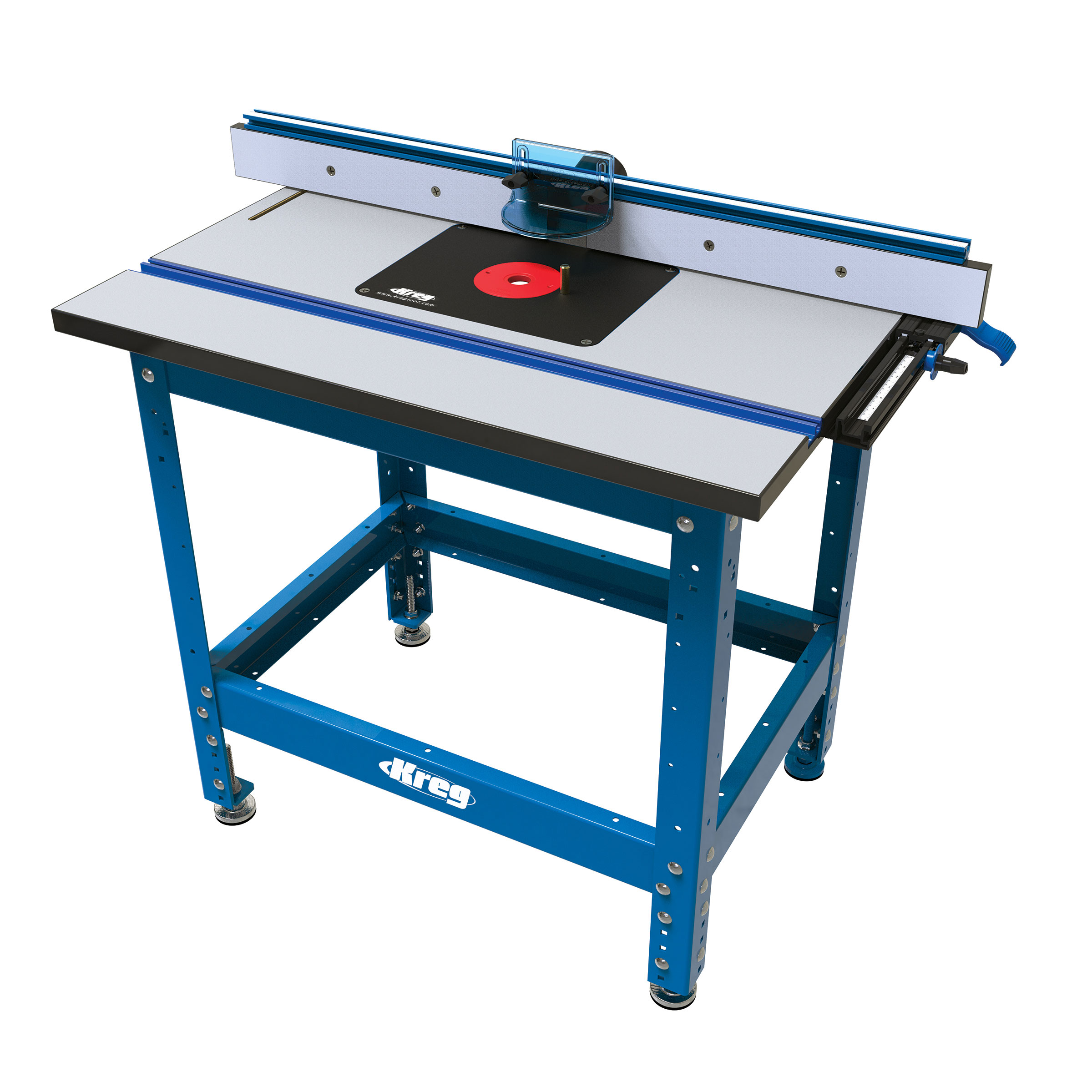
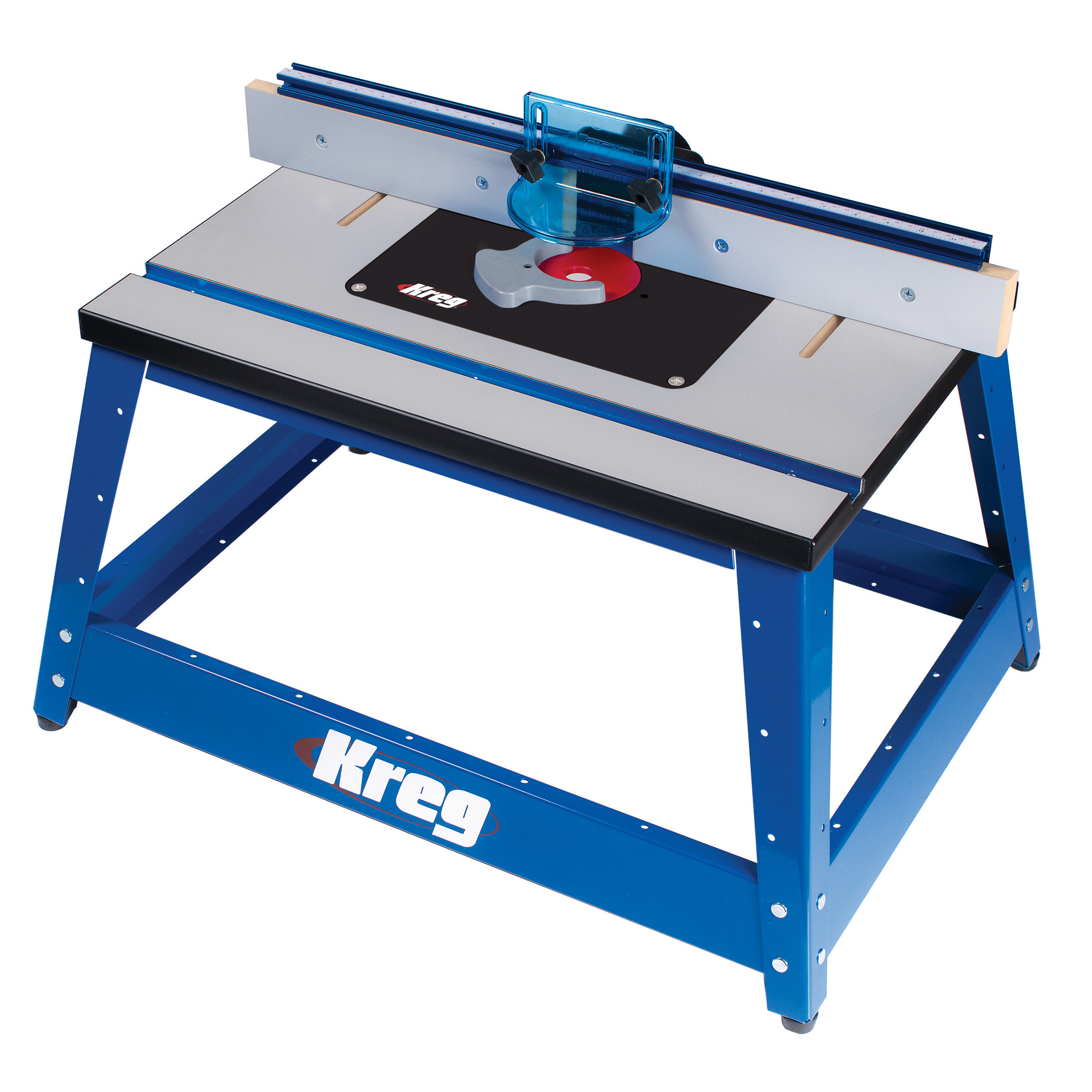
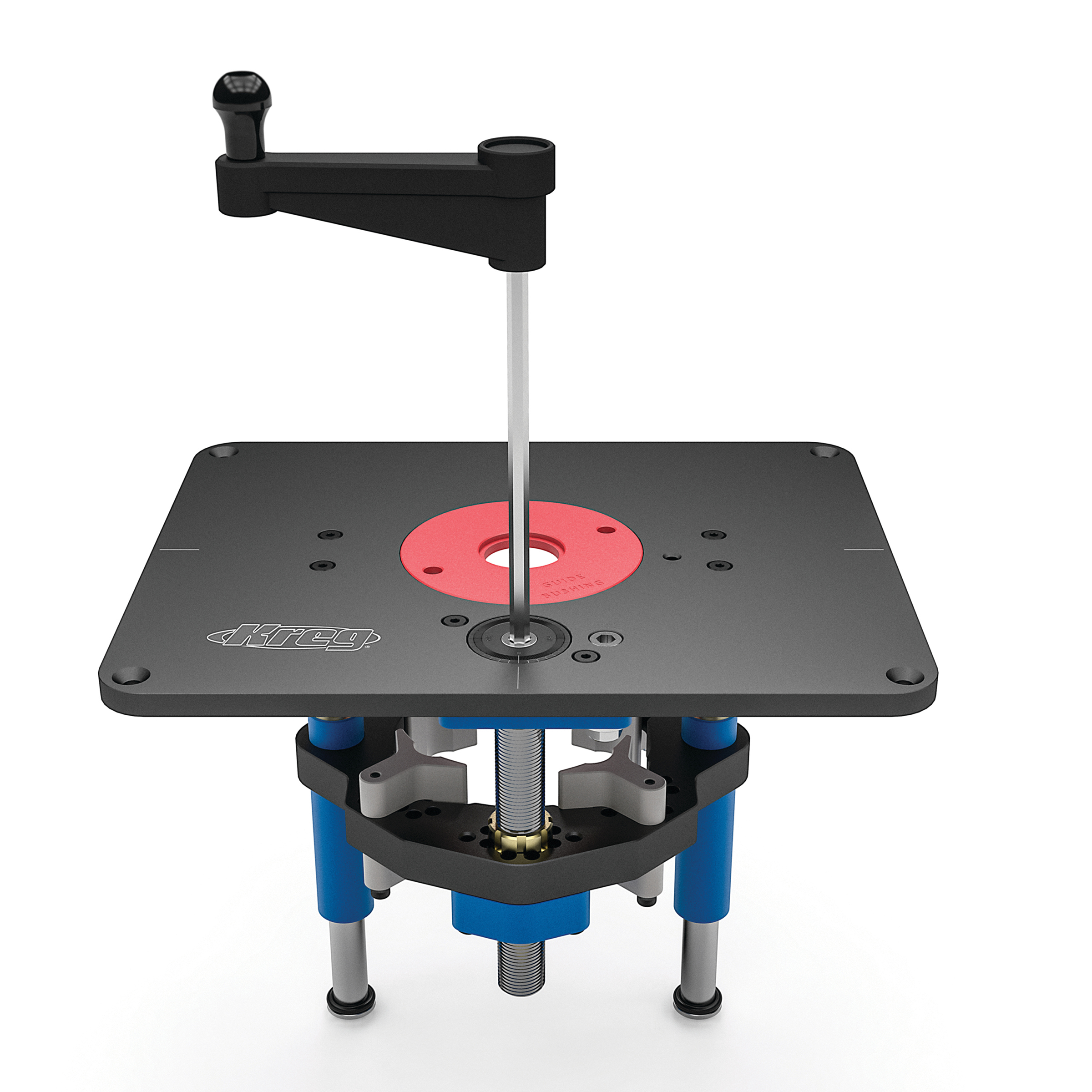
- Mounting in a router table for stability and dust collection
Their extra weight provides stability when making wide or deep cuts. Many models come with both fixed and plunge bases, giving you more control when cutting mortises or following templates.
Trim Router vs Router at a Glance
Before diving deeper, it helps to see how trim routers and full-size routers compare side by side. This quick chart highlights the main differences.
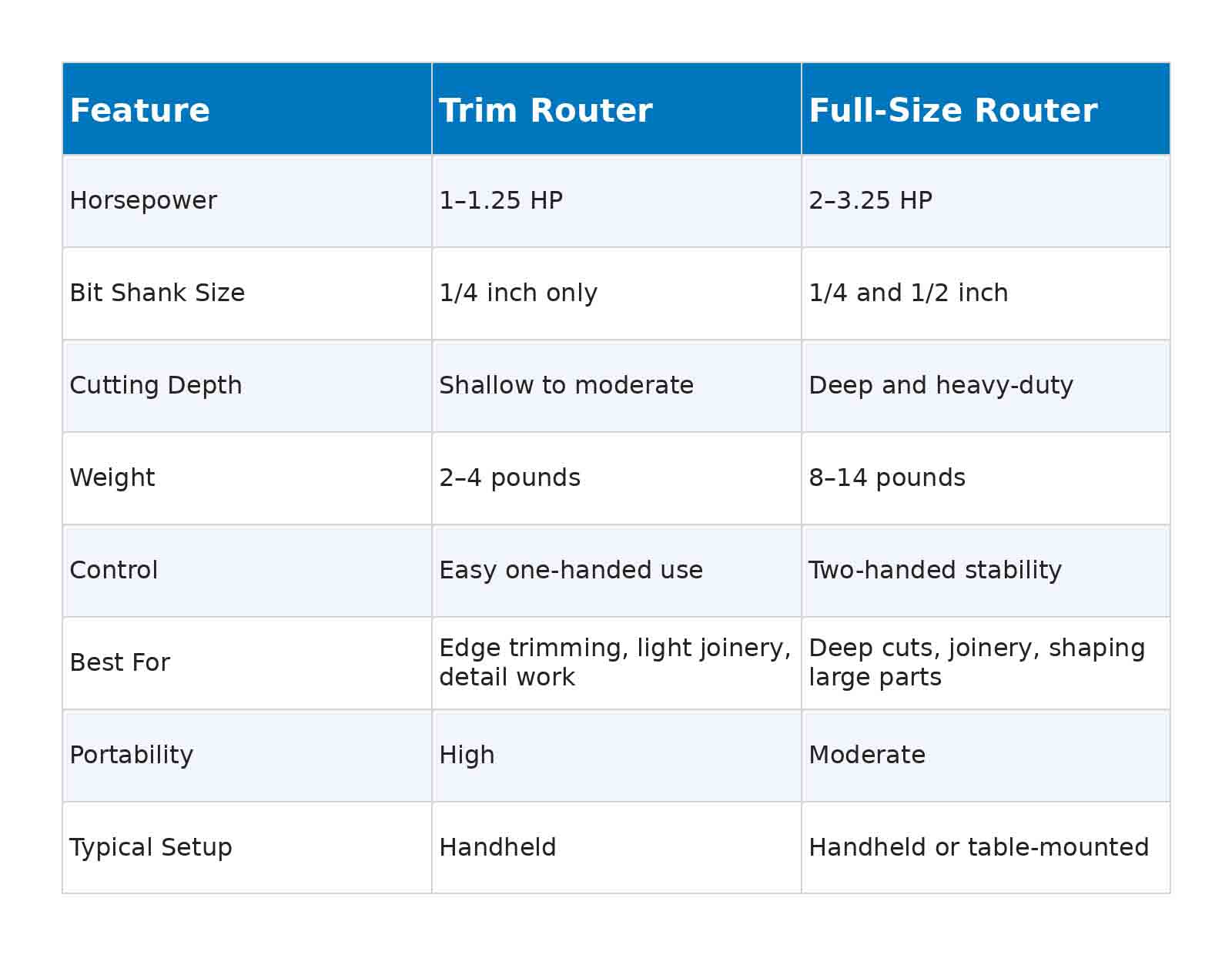
Looking at the comparison, you can see why many woodworkers own both. Trim routers handle finesse work where accuracy and control are more important. Full-size routers take on bulk removal and bigger projects or tougher materials where power matters.
Quick Tip:
If you often switch between edge trimming and deep mortising, owning both types saves setup time. You can leave a trim router ready for light work while your full-size router stays in a router table.
What Each Router Excels At
Each router type has clear strengths. The best choice depends on what you build most often, the size of your material, and how comfortable you are handling power tools.
Let’s look at when each one makes sense in your shop.
When a Trim Router Makes Sense
A trim router fits projects that need precision and control more than depth and power. If you work with smaller pieces or prefer light passes, it’s the tool you’ll reach for most often.
Ideal uses include:
- Rounding or chamfering edges on cutting boards, picture frames, or shelves
- Flush trimming laminate or edge banding
- Routing hinge mortises or inlay pockets
- Engraving lettering or signs
Trim routers also shine for onsite work. Their small size makes them easy to carry and quick to set up. You can grab one to soften sharp corners or trim edges without clearing bench space.
Because they use 1/4-inch shank bits, trim routers are limited in the size of cuts they handle, but for light work, they’re accurate and easy to control.
Quick Tip:
When flush trimming edge banding, move the router from left to right along the edge. This keeps the bit’s rotation pulling the base against the surface, preventing gouges.
When a Full-Size Router Makes Sense
A full-size router belongs in any shop that handles thicker hardwoods, cabinetry, or furniture projects. It’s the better choice when you need depth, torque, and the ability to spin large bits safely.
Ideal uses include:
- Cutting deep mortises, dados, or grooves in hardwood
- Shaping raised panel doors or baseboard profiles
- Making dovetail or box joints with jigs
- Leveling slabs with a sled
- Mounting in a router table for controlled shaping
Full-size routers have more power and weight, which reduces vibration and helps produce smoother cuts in tough material. The ability to use 1/2-inch shank bits means less chatter and better precision for large profiles.
Many woodworkers keep their full-size router mounted in a table for repeatable setups. It becomes a stable, two-hand tool ideal for production-style cuts or heavier passes.
The Key Differences That Matter Most
Trim routers and full-size routers do similar work, but they differ in how much material they remove, how they handle, and what projects they suit best.
Power and Depth Capacity
Trim Router:
- Around 1 to 1.25 horsepower
- Handles shallow passes and softwoods well
- Best for edge work and light joinery
- Needs multiple passes for deep cuts
Full-Size Router:
- 2 to 3.25 horsepower
- Cuts deep grooves and hardwoods easily
- Handles large bits safely
- Ideal for mortises, dadoes, and raised panels
Bit Compatibility
Trim Router:
- Accepts only 1/4-inch shank bits
- Best for detail work and edge shaping
- Limited bit selection
Full-Size Router:
- Accepts 1/4-inch and 1/2-inch shank bits
- Runs larger, stronger bits
- Better accuracy and less vibration
Control and Comfort
Trim Router:
- One-handed use
- Lightweight and easy to maneuver
- Great for small or delicate parts
Full-Size Router:
- Requires two hands
- Heavier, but more stable under load
- Best for mounted or plunge operations
Versatility
Trim Router:
- Portable and simple
- Best for quick, light tasks
- Limited cutting depth and bit size
Full-Size Router:
- Works handheld or in a table
- Handles joinery, profiling, and shaping
- Variable speed options for bit control
Portability and Storage
Trim Router:
- Compact and easy to store
- Ideal for mobile or small workshops
Full-Size Router:
- Larger and heavier
- Needs more bench or table space
- Added weight improves stability
Pros and Cons Comparison
Both routers have their place in the shop. The right one for you depends on how you work, what materials you use, and how often you need heavy-duty performance.
Trim Router Pros
- Lightweight and easy to control
- Fits comfortably in one hand
- Excellent for edges, laminate, and small parts
- Quick setup and minimal storage space
- Affordable entry point for beginners
Trim Router Cons
- Limited to 1/4-inch bits
- Shallow cutting depth
- Can bog down in hardwoods
- Small base can feel unstable on narrow stock
Full-Size Router Pros
- Powerful enough for deep cuts and large bits
- Accepts both 1/4-inch and 1/2-inch shank bits
- Handles joinery, shaping, and heavy stock
- Works well in a router table for repeatable cuts
- More stable on wide or thick material
Full-Size Router Cons
- Heavier and harder to control by hand
- Requires two hands for safe operation
- Takes up more space
- Higher cost and more maintenance
Choosing the Right Router for Your Shop
Selecting the right router depends on what you build, how confident you feel using power tools, and how much space you have in your shop. Each factor shapes which tool will help you work faster and safer.
Match Your Projects
Trim Router fits best if you often:
- Trim edge banding or laminate
- Round over or chamfer edges
- Rout hinge mortises or inlay recesses
- Make small signs or decorative lettering
- Work with thin stock or lightweight material
You’ll appreciate how easy it is to grab, use, and store. It’s perfect for precision work and small-batch projects.
Full-Size Router fits best if you often:
- Build furniture, cabinets, or large panels
- Cut deep dadoes, mortises, and grooves
- Shape thick hardwood or wide boards
- Run large-profile bits or joinery jigs
- Use a router table for repeated cuts
It’s a better investment if your projects demand power and flexibility.
Quick Tip:
If your projects range from small boxes to large furniture, consider starting with a trim router and adding a full-size model later. Most people benefit from having both ready for different jobs.
Match Your Skill Level
Trim Router:
- Easiest to learn and control
- Less intimidating for beginners
- Fewer settings and simpler setups
- Lower chance of tear-out or kickback when handled correctly
Full-Size Router:
- Requires more control and awareness
- Higher torque demands steady handling
- Variable speed settings help match bit size, but add complexity
- Better suited once you’re comfortable with feed direction and depth control
If you’re new to routing, start small. A trim router builds your confidence before moving up to larger, more powerful tools.
Match Your Budget and Space
Trim Router:
- Costs less and includes simple accessories
- Fits in tight shops or mobile tool kits
- Runs quieter and creates less vibration
Full-Size Router:
- Higher price, but more capabilities
- Often paired with router tables, fences, and dust collection
- Takes more bench space but adds long-term flexibility
Think about how much bench room you have and what kind of work you plan to grow into. Starting small makes sense for beginners, but if you expect to build furniture or cabinetry long term, investing once in a full-size router saves upgrades later.
Expert Recommendation
Both routers have a clear place in a well-rounded workshop. The right choice depends on the type of work you do most and how much control or power you need.
If you’re just getting started, a trim router is the smarter first buy. It’s light, affordable, and easy to master. You’ll use it often for edge work, sign making, and fine details. It helps you learn feed direction, bit changes, and depth control without feeling heavy or awkward.
As your projects grow in size and complexity, add a full-size router. It opens the door to joinery, cabinetry, and advanced shaping that a trim router simply can’t handle. You’ll appreciate the extra torque and bit options when you begin tackling thick hardwoods or deep grooves.
Many experienced woodworkers rely on both. The trim router stays ready for small, quick jobs. The full-size router stays mounted in a table for heavy shaping and joinery.
Bottom line:
- Start with a trim router if you’re learning or working small.
- Step up to a full-size router for power, depth, and flexibility.
- Over time, owning both gives you the best balance of speed, accuracy, and capability.
FAQs
Can I use a trim router on a router table?
You could mount a trim router in a small table for light tasks, but it lacks the power and bit capacity for heavy-duty routing.
What size bits does a trim router use?
Trim routers only accept 1/4-inch shank bits, which are suited for detail work, light profiling, and laminate trimming.
Can you use the same bits in trim routers and full-size routers?
You can use 1/4-inch bits in both routers, but only a full-size router accepts larger 1/2-inch shank bits.
What are the different types of routers for woodworking?
The main types of routers for woodworking are fixed base routers, plunge routers, combination routers and trim routers, each offering different levels of power, bit capacity, and control for tasks ranging from fine detail work to heavy joinery.
Read more in our article “The Ultimate Guide to Wood Routers“
Associated Products
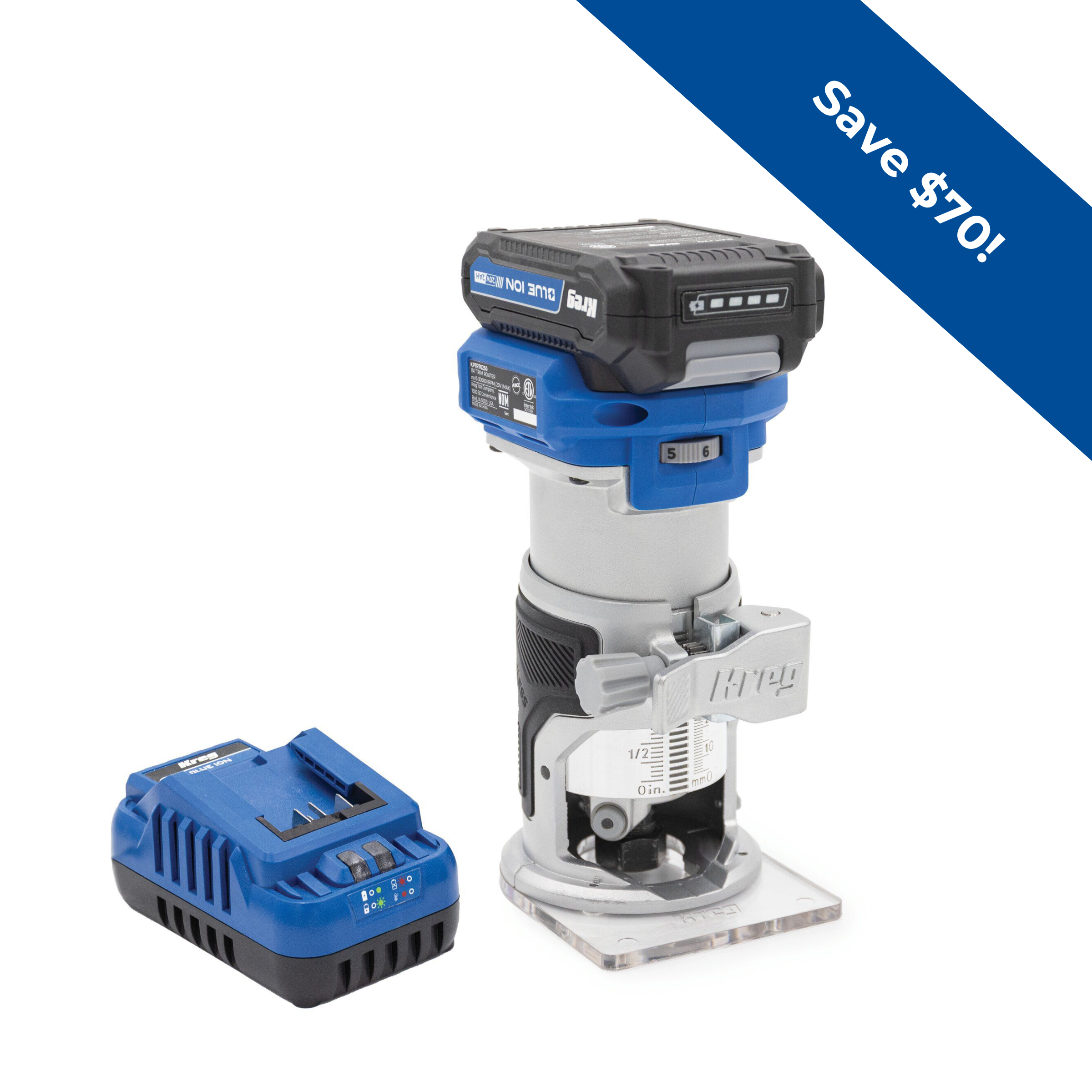
Kreg 20V Ionic Drive™ 1/4" Trim Router Kit