
Choosing between a palm sander and an orbital sander can shape how your woodworking projects turn out. Both are great tools for smoothing surfaces, preparing wood for finishing, and cleaning up edges. However, each has different strengths depending on the material, surface size, and the finish you want.
This guide breaks down how each sander works, their key differences, and which type best fits your projects.
The Basics: What Each Sander Does
Electric sanders save time and deliver smoother, more consistent results than sanding by hand. Both palm sanders and orbital sanders are handheld finishing tools, but their movement, power, and performance are different. Understanding how each one operates helps you choose the right tool for the job.
What Is a Palm Sander?
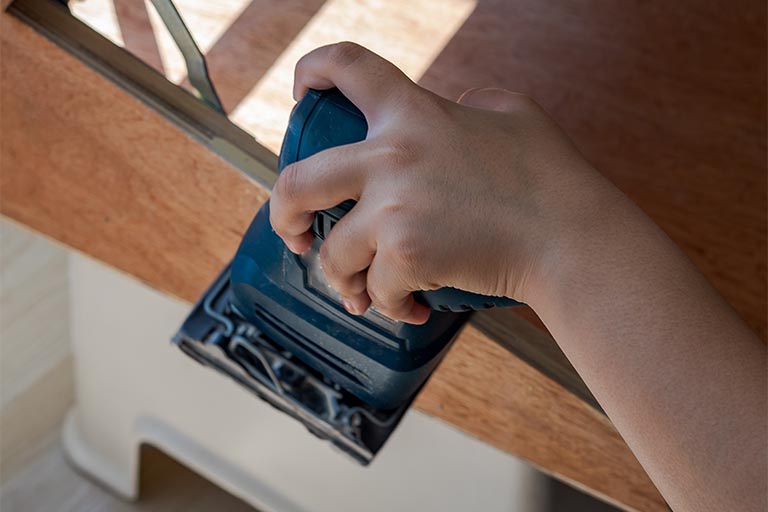
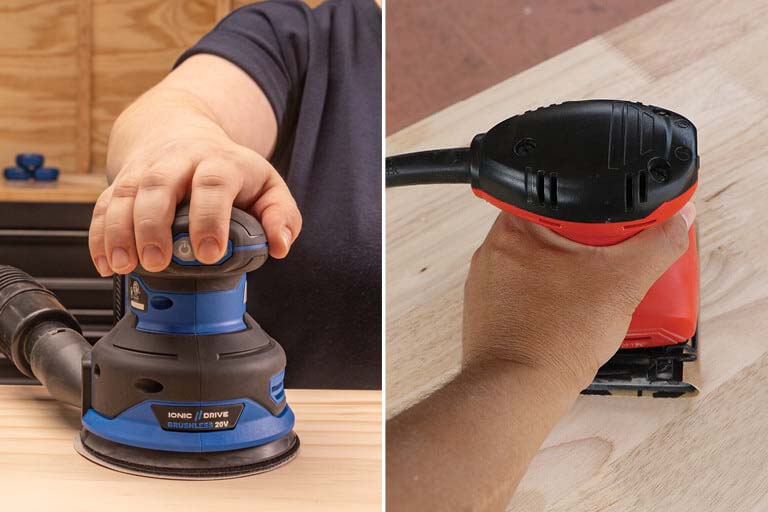
A palm sander, sometimes called a finishing sander or quarter-sheet sander, is compact and lightweight. It uses small square sheets of sandpaper, usually one-quarter of a standard 9×11 sheet. The pad moves in tiny circular orbits, creating a fine pattern that’s ideal for light to medium work.
Palm sanders are great for working on small surfaces, rounding corners, or sanding between coats of finish. They remove less material than larger sanders, so they are easier to control and less likely to gouge the surface.
Common uses:
- Smoothing small wood pieces
- Removing light paint or finish
- Sanding between stain or varnish coats
- Preparing trim or furniture edges
Quick Tip: Use fine-grit paper (180 to 220) on a palm sander for final surface prep before applying finish.
What Is an Orbital Sander (Random Orbital)?
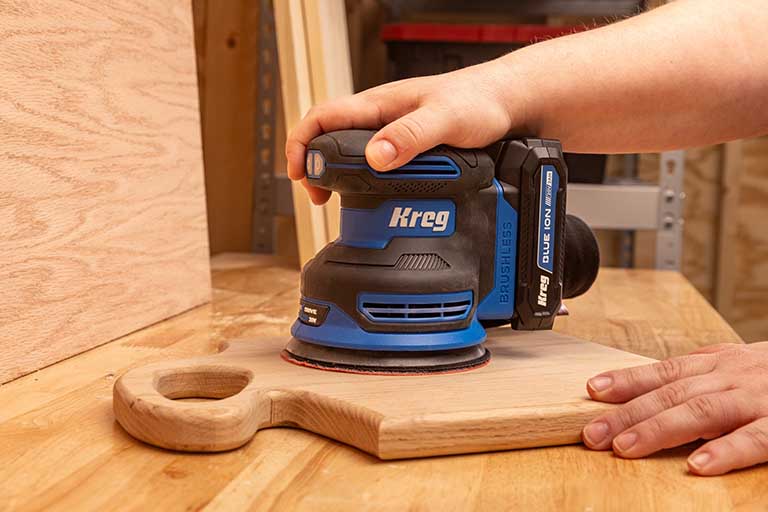
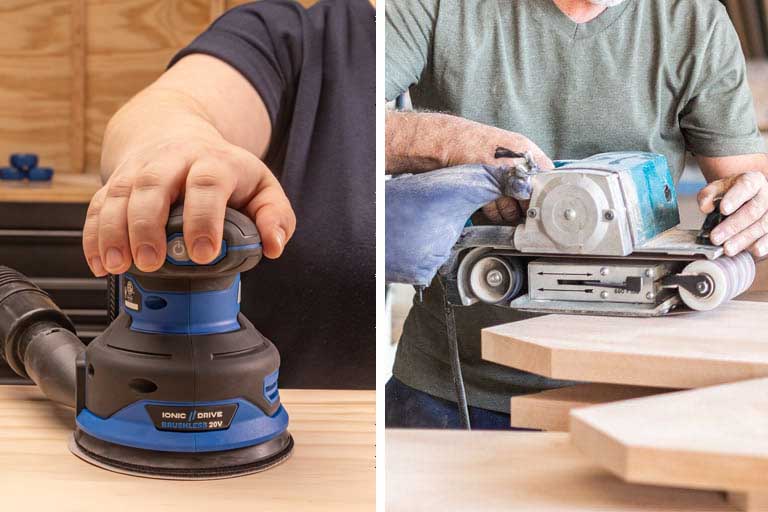
An orbital sander, often called a random orbital sander, has a round sanding pad, usually five or six inches in diameter. It spins and orbits at the same time, creating a random motion that avoids swirl marks and removes material efficiently.
Random orbital sanders work faster and cover larger areas than palm sanders. They are suitable for shaping, leveling, and preparing large panels or tabletops. With the right grit, they can move from rough shaping to fine finishing.
Common uses:
- Smoothing large boards or panels
- Removing paint, glue, or stain
- Blending edges and joints
- Preparing tabletops or cabinet doors
Palm Sander vs Orbital Sander: Differences That Matter
Both sanders smooth surfaces, but they do it in different ways, like their power, motion, and finish quality. Here’s how they compare.
Power and Speed
Palm sanders are lighter and less powerful. They typically operate at lower speeds, around 10,000 to 14,000 orbits per minute. Their gentle action makes them ideal for precision sanding where control matters more than speed.
Orbital sanders use more power and can reach 12,000 to 15,000 orbits per minute with added rotation, which results in faster material removal. Many models include variable speed controls, giving you flexibility for rough or fine work.
Summary:
- Palm sander: Lower power, slower material removal, better control.
- Orbital sander: Higher power, faster material removal, more versatility.
Sanding Motion and Finish Quality
The biggest difference is in how each pad moves. A palm sander moves in small, fixed orbits, which can leave visible patterns on large surfaces if you stay in one spot too long. This motion works best for fine, even sanding.
An orbital sander combines orbiting and spinning in random directions. This random motion eliminates pattern marks and produces a smoother finish. It’s suitable for large visible surfaces where finish quality is critical.
Quick Tip: For the cleanest finish, keep your orbital sander moving and let the tool’s weight do the work. Pressing down too hard can slow the pad and create swirl marks.
Surface Size and Type
Palm sanders excel on small, flat, or narrow surfaces. They reach corners and edges that larger sanders can’t touch. They are best for furniture, trim, and small panels.
Orbital sanders are better for larger workpieces. Their round pads work fast but can’t reach tight corners. They shine on tabletops, cabinet doors, and large frames.
Summary:
- Palm sander: Small surfaces, corners, detailed work.
- Orbital sander: Large panels, flat boards, broad areas.
Bonus Tip: Keep both sanders in your shop if you often switch between small parts and large projects.
Dust Collection
Both sanders usually include built-in dust bags or ports for vacuum attachment. Dust control helps maintain a clean workspace and improves finish quality.
Palm sanders often use small dust bags that fill quickly. Their airflow systems are basic, which makes them less efficient for heavy sanding.
Orbital sanders usually have better dust collection. Many feature multi-hole pads that connect to a shop vacuum, so they capture fine dust effectively.
Summary:
- Palm sander: Basic dust control, good for short tasks.
- Orbital sander: Superior dust extraction, better for extended sanding.
Weight and Handling
Palm sanders are light and compact. Most weigh around two to three pounds. Their small grip fits easily in your hand, making them comfortable for long use or overhead sanding.
Orbital sanders are slightly heavier, typically three to five pounds. Normally, using both hands is advised for optimal control on larger surfaces. The added weight helps with steady sanding but may cause fatigue if you’re working on vertical or small pieces.
Summary:
- Palm sander: Lightweight, easy to maneuver, good for long sessions.
- Orbital sander: Heavier, more stable on large boards, better control for fast removal.
Cost and Longevity
Palm sanders are usually more affordable. Entry-level models cost less, and replacement paper is inexpensive since they use quarter sheets.
Orbital sanders cost more due to their advanced motion and dust systems. They also use hook-and-loop sanding discs, which are pricier but quicker to change. Quality orbital sanders last longer and perform better over time with regular cleaning.
Summary:
- Palm sander: Lower cost, simple maintenance, shorter lifespan under heavy use.
- Orbital sander: Higher cost, better durability, faster disc changes.
Pros and Cons Comparison
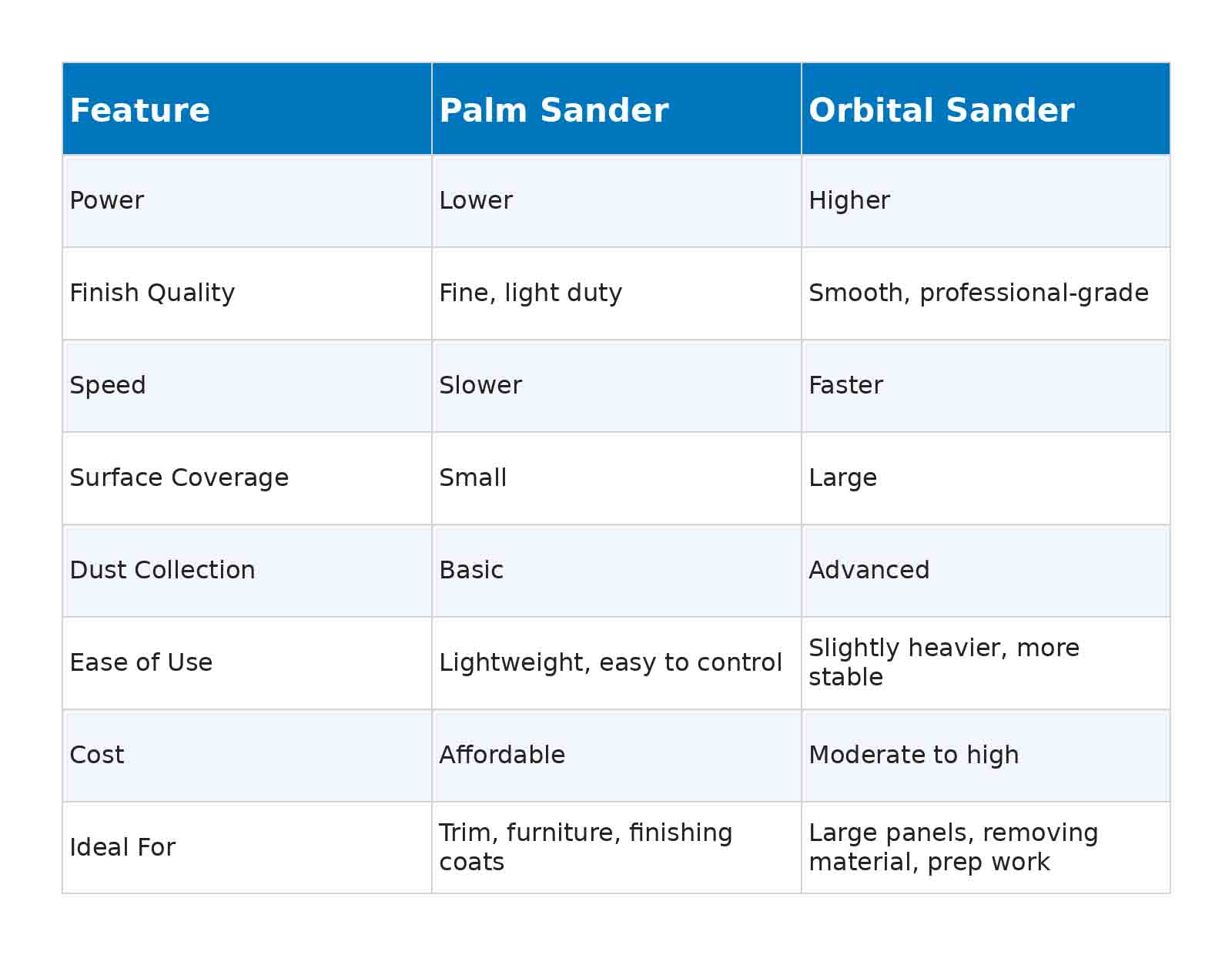
Quick Tip: If you’re new to using a power sander, it’s usually best to start with a palm sander. It’s forgiving, affordable, and helps you learn how to control pressure and motion before moving to faster, heavier tools.
Which Sander Fits Your Work Best
Choosing the right sander depends on the kind of woodworking you do and the finish you expect. Both tools can coexist in a workshop, each serving a different role.
Choose a Palm Sander If You
- Work mostly on small projects or furniture
- Need a light, controllable tool for fine finishing
- Sand between coats of paint, stain, or varnish
- Want an affordable tool for occasional use
- Prefer a square pad that reaches edges and corners
Palm sanders are perfect for hobbyists or those building small furniture pieces. Their simplicity and control make them a go-to for light refinishing and touch-up work.
Choose an Orbital Sander If You
- Work with large panels or tabletops
- Need faster material removal
- Want a swirl-free finish on visible surfaces
- Do frequent sanding for cabinets, floors, or large builds
- Prefer advanced dust control and variable speed options
Orbital sanders fit well in any workshop. They save time and improve consistency, especially on large or demanding projects.
FAQs
Is a palm or orbital sander better?
Use an orbital sander for the initial shaping or smoothing large areas, then switch to a palm sander for fine work near edges or between finish coats.
Do orbital sanders leave swirl marks?
If used correctly, no – the random motion prevents circular marks and swirls appear only if you press too hard or use worn-out discs.
Which sander is the most versatile?
The orbital sander is the most versatile because it works well for both heavy material removal and fine finishing on large surfaces.
Associated Products
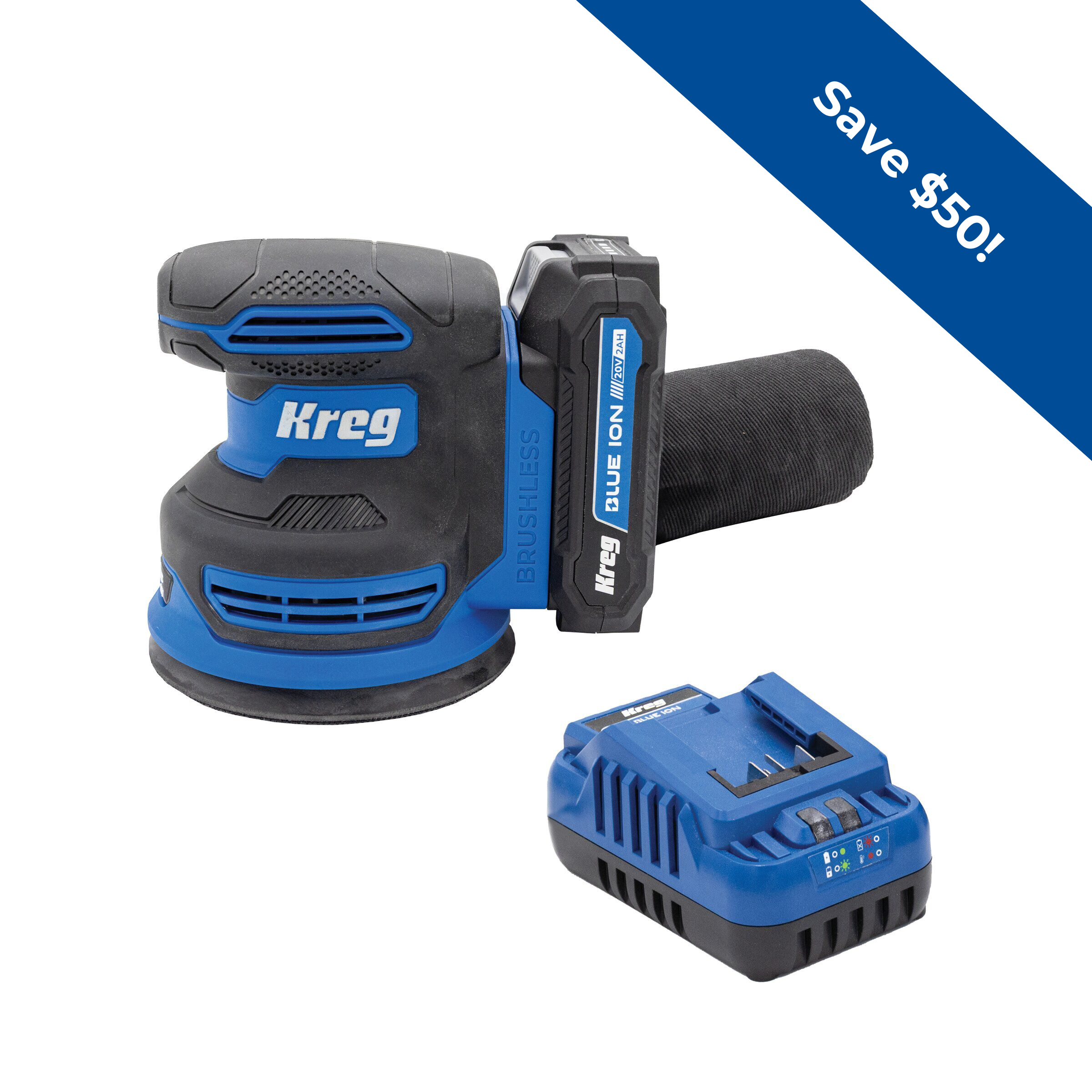
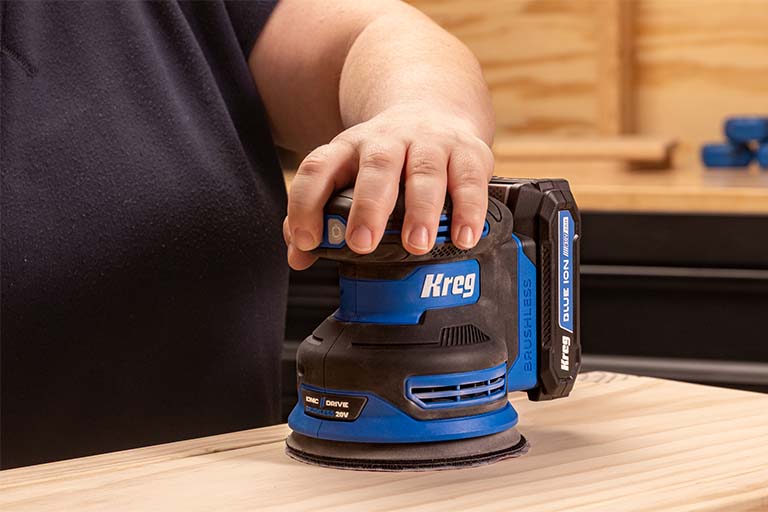
Kreg 20V Ionic Drive™ 5" Random Orbit Sander Kit
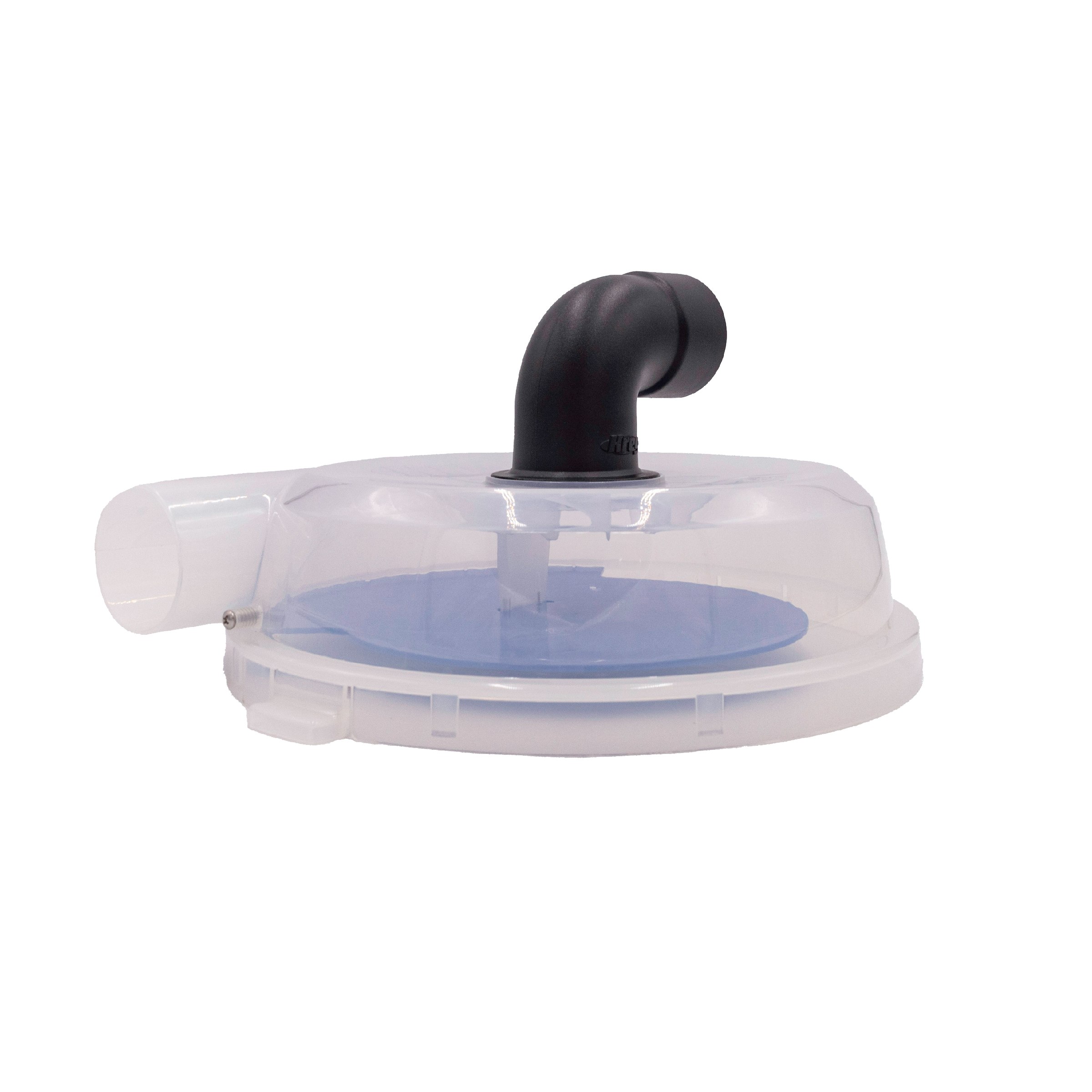
Dust Separator