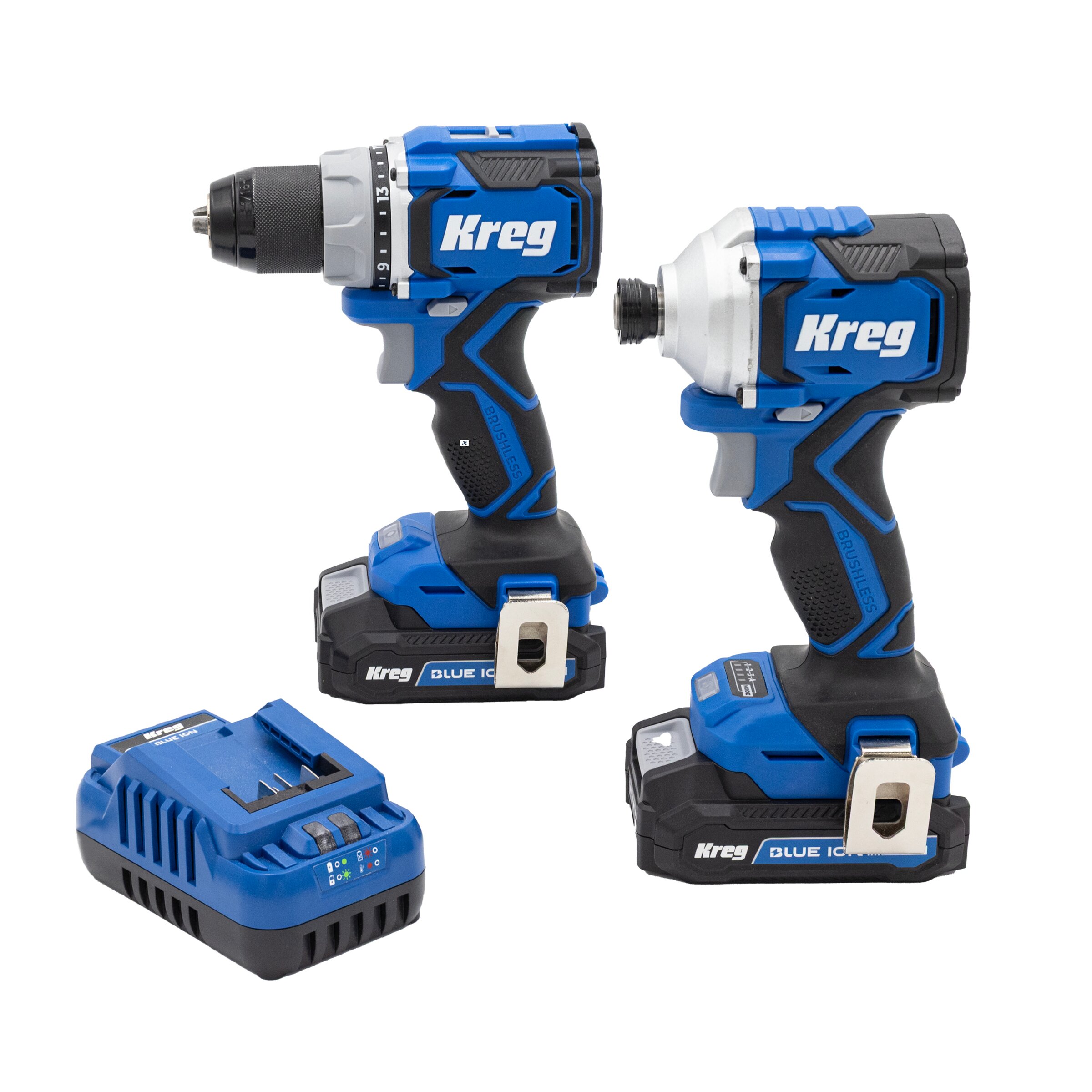
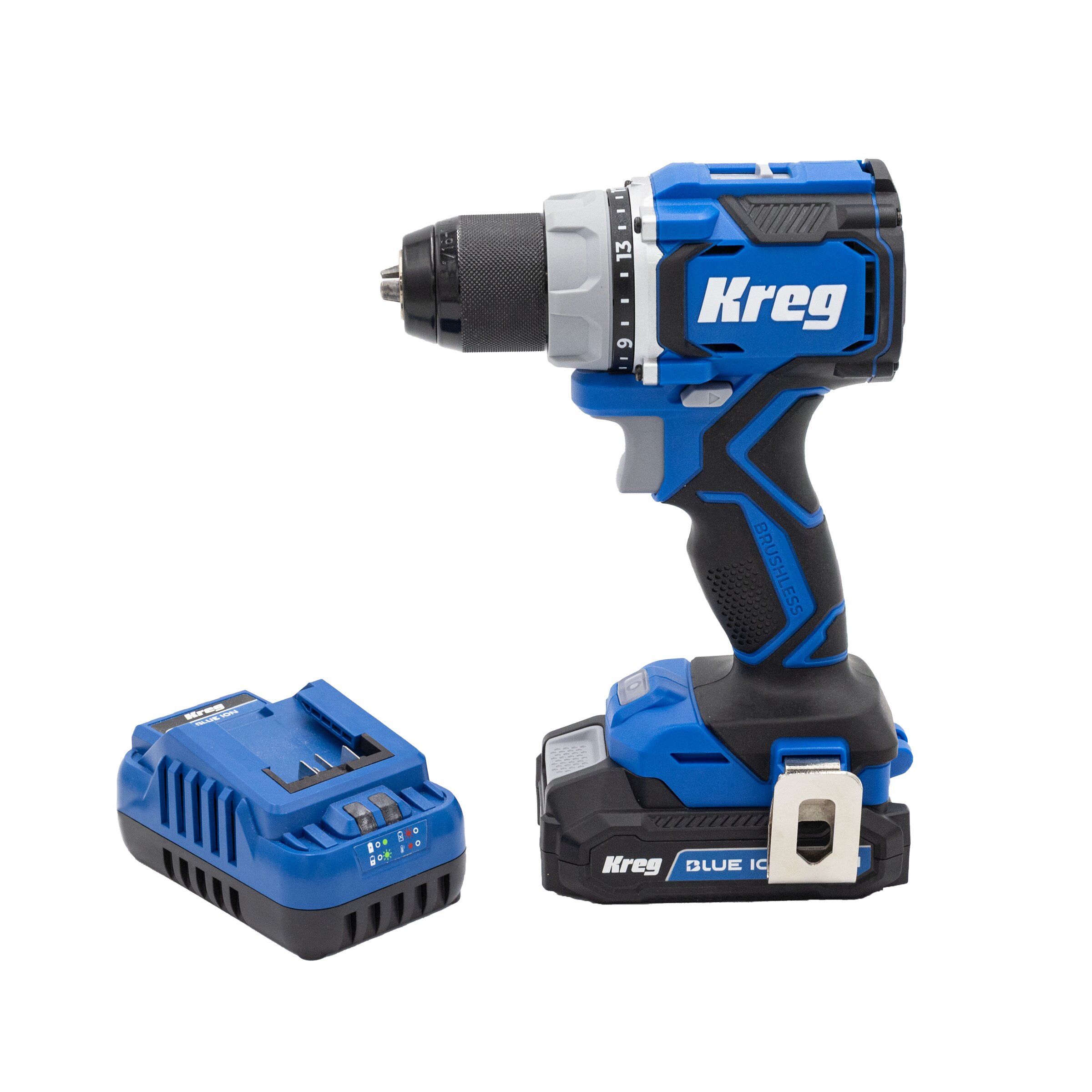
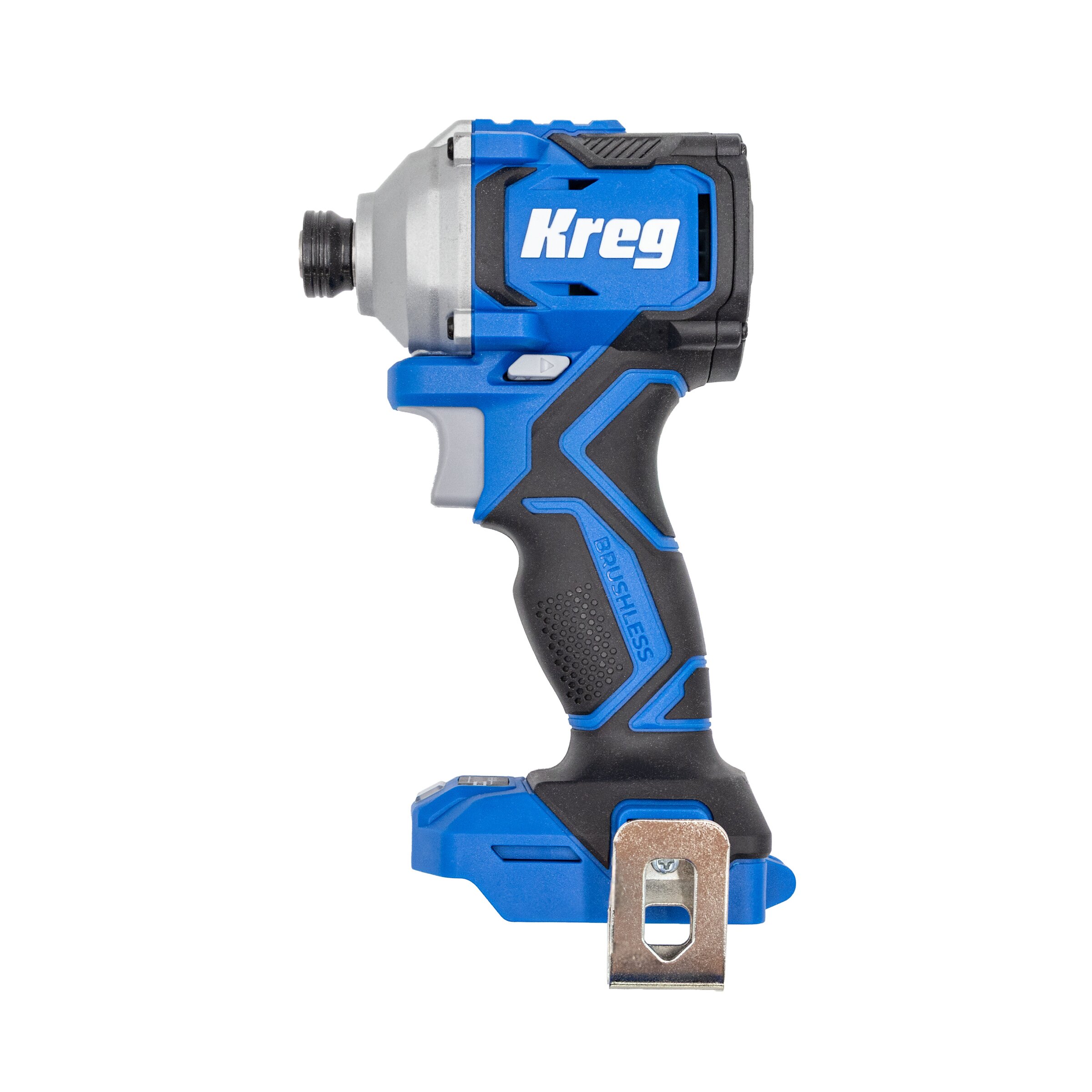
Impact drivers and impact wrenches look similar at a glance, so it’s easy to mix them up. Both use rapid hammering force to turn fasteners, but they’re built for very different jobs.
This guide breaks down how each tool works, what fasteners they’re designed for, and which one makes the most sense for your projects.
Impact Wrench vs Impact Driver
Both tools deliver rotational force in short bursts. The real difference comes down to drive type, torque, and application.
What Is an Impact Driver?
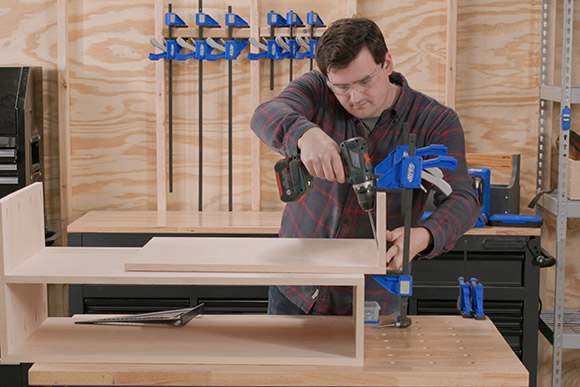
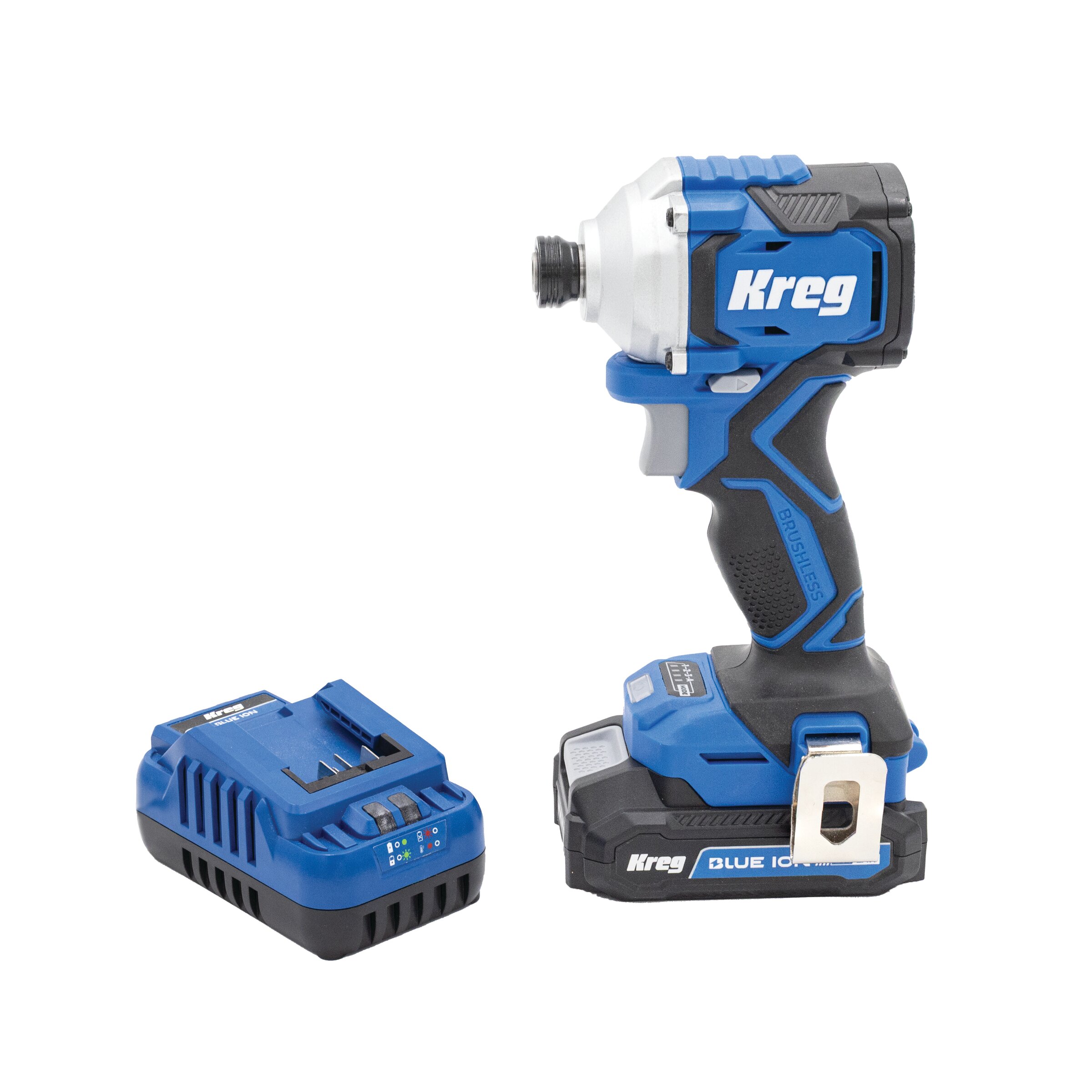
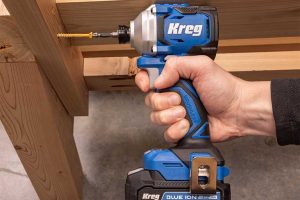
An impact driver is designed for driving screws quickly and efficiently.
Key Characteristics
- ¼” hex collet
- Uses hex-shank bits
- Moderate torque
- High speed
- Compact and lightweight
Common Uses
- Driving deck screws
- Cabinet installation
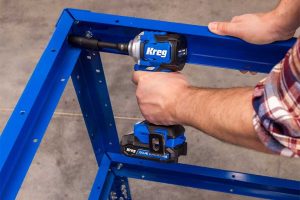
- Furniture assembly
- Light framing and general DIY work
Impact drivers are easy to control and comfortable for long sessions.
What Is an Impact Wrench?
An impact wrench is built for heavy-duty fastening and removal.
Key Characteristics
- 3/8”, ½”, or other size anvil
- Uses sockets
- Much higher torque
- Slower rotation with harder impacts
Common Uses
- Removing lug nuts
- Driving large lag bolts
- Automotive and equipment work
- Rusted or seized fasteners
What’s the Difference?
Typical Use Cases
Impact Driver
- Woodworking
- Home repairs
- Cabinet and hardware installation
Impact Wrench
- Automotive projects
- Trailers and outdoor structures
- Structural fastening
Power Options
Cordless Tools
- Portable and convenient
- No hoses or compressors
- Ideal for most DIY users
Pneumatic (Air) Tools
- Extremely powerful
- Require air compressors
- Better suited for dedicated automotive setups
Torque: Why It Matters
Torque measures turning force.
- Impact drivers deliver torque in inch-pounds
- Impact wrenches deliver torque in foot-pounds
Too much torque can strip screws or snap bolts. The right tool keeps fasteners, and materials, intact.
Size, Weight, and Comfort
Impact Drivers
- Lightweight
- Easy overhead use
- Less fatigue
Impact Wrenches
- Heavier and bulkier
- Designed for power, not finesse
Comfort features like balance, grip texture, and trigger control matter, especially for beginners.
Which Tool Should You Choose?
Choose an Impact Driver If You:
- Drive screws most often
- Build furniture or cabinets
- Want one versatile DIY tool
Choose an Impact Wrench If You:
- Work on vehicles
- Remove lug nuts
- Handle large bolts regularly
Own Both If You:
- Do woodworking and automotive projects
- Want the right tool for each fastener
- Prefer control over forcing one tool to do everything
Comparison Table: Impact Driver vs Impact Wrench
| Feature | Impact Driver | Impact Wrench |
|---|---|---|
| Type of Drive | 1/4 inch hex collet | 1/2 inch square drive |
| Primary Fasteners | Screws, small lag screws | Bolts, lug nuts, heavy lags |
| Torque Level | Moderate | High |
| Speed | High | Medium |
| Tool Size | Compact and light | Large and heavy |
| Common Projects | Woodworking and home DIY | Automotive and structural work |
| Skill Fit | Beginner friendly | Better with experience |
FAQs
Can I use an impact driver as an impact wrench?
You can use an impact driver as an impact wrench only on light duty bolts because it does not provide enough torque for heavy fasteners.
Is an impact wrench or driver better for lug nuts?
An impact wrench is better for lug nuts because it delivers the higher torque needed to remove or tighten them safely.
When would I use an impact wrench?
You use an impact wrench when you need strong turning force for tasks like removing lug nuts, driving heavy lag bolts, or working on machinery.
Why would you use an impact driver instead of a drill?
You use an impact driver instead of a drill when you want faster driving, less strain on your wrist, and better control when handling long screws.
Can you tighten bolts with an impact driver?
You can tighten bolts with an impact driver only if the bolts are small and do not require high torque.
Do impact drivers damage screws?
Impact drivers damage screws when the bit slips or the torque setting is too strong for the material.