Choosing between a plunge router and a fixed-base router affects how you work, how accurately you cut, and the types of projects you can tackle. Both tools look similar and use the same bits, which makes the choice confusing at first. The real differences appear once you begin routing.
This guide explains how plunge routers and fixed-base routers work, what each is best suited for, and how to decide which one makes sense for your shop and the projects you build.
What Is a Plunge Router?
A plunge router allows the bit to move up and down while the base stays flat on the workpiece. Instead of starting the cut from an edge, you lower the spinning bit into the wood after positioning the router.
This design makes plunge routers especially useful for joinery and interior cuts that are difficult or unsafe to start with a fixed-base router.
Plunge routers are built for controlled depth work. You begin with the bit above the surface, position the router, then plunge to a preset depth for an accurate, repeatable cut.
What Makes It a Plunge Router?
The defining feature of a plunge router is vertical movement during the cut. That movement changes how and where cuts begin.
Key characteristics include:
Spring-loaded plunge action
The motor rides on columns with internal springs. Pressing down lowers the bit; releasing pressure raises it.
Start cuts anywhere
Because the bit begins above the surface, you can plunge directly into the middle of a board.
Preset depth control
Depth stops limit how far the bit travels, allowing repeatable results and safer routing through gradual material removal over multiple passes.
Depth lock
Once the desired depth is reached, a locking lever holds the router in position, allowing it to operate like a fixed-base router.
Controlled entry
Lowering the bit gradually helps improve control and reduces sudden engagement.
This vertical control is what makes plunge routers so effective for joinery and interior routing.
Key Components of a Plunge Router
Understanding the major parts of a plunge router makes setup easier and helps you work more safely.
Plunge Base and Columns
The base rides on two columns that keep the motor square as it moves. Springs provide resistance for controlled plunging and smooth return.
A well-built plunge mechanism is important. Excess play or binding can lead to inconsistent depth or rough cuts.
Depth Stop and Turret
Depth stops control how far the bit plunges. Many routers include a rotating turret with multiple preset steps, allowing you to make several shallow passes before reaching full depth.
This is especially useful for grooves and mortises.
Fine Adjustment Knob
Fine adjustments allow small, precise changes in depth. This is helpful when fitting joinery or dialing in exact measurements.
Locking Lever
Once you reach the desired depth, the locking lever holds the plunge in place for stability during longer cuts.
Handles and Motor Housing
Plunge routers typically use two handles for balance and control. Proper handle placement helps keep the router flat and reduces tipping.
What Is a Plunge Router Used For?
Plunge routers are best suited for tasks where cuts begin away from edges or where depth changes during routing.
Grooves, Dados, and Mortises
Plunge routers make it easy to:
• start cuts in the middle of a workpiece
• cut stopped dados
• create mortises
• repeat cuts using depth stops and guides
Quick Tip: Use bits designed for plunge cutting to improve chip removal and reduce heat.
Inlays and Decorative Work
Plunge routers allow you to:
• follow traced shapes or lettering
• control shallow depths precisely
• avoid tearout at entry points
• work inside enclosed designs
Templates make these tasks even easier and more consistent.
Working with Jigs and Templates
Plunge routers are commonly used with:
• guide bushings
• mortising jigs
• circle-cutting jigs
• recess templates
Because the router plunges after positioning, alignment is easier and more accurate.
Plunge Router vs. Fixed-Base Router
Both routers spin bits at high speed, but the way they enter the cut and set depth is different.
How a Fixed-Base Router Works
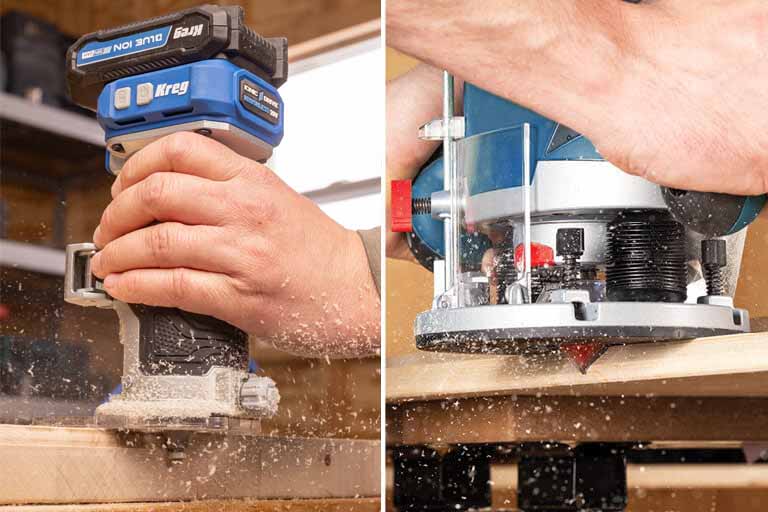
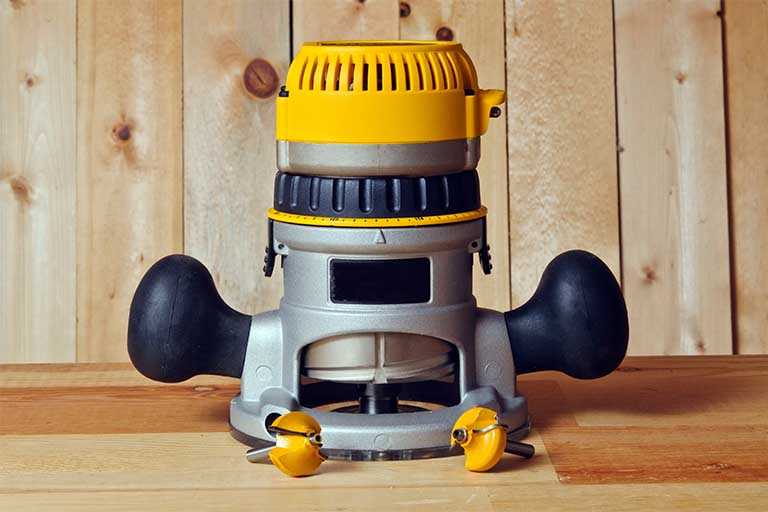
A fixed-base router locks the motor at a set depth. You adjust the depth before turning the router on, and the bit remains at that depth throughout the cut.
To start cutting, the bit must already be at the edge or carefully lowered into the workpiece.
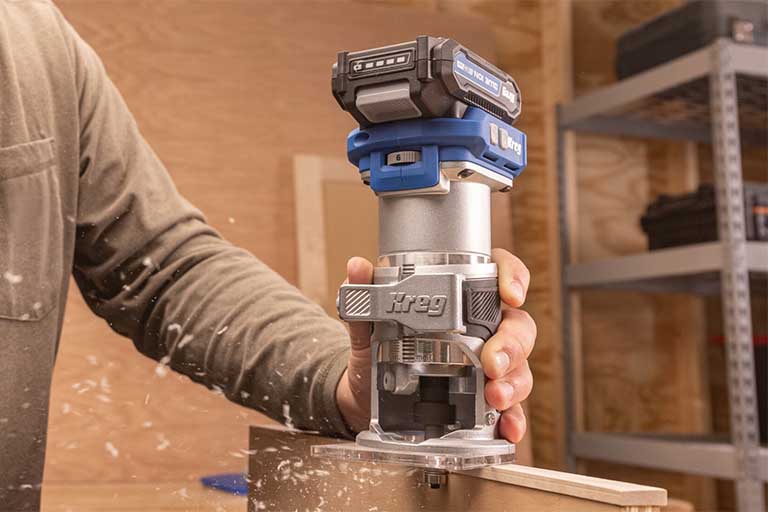
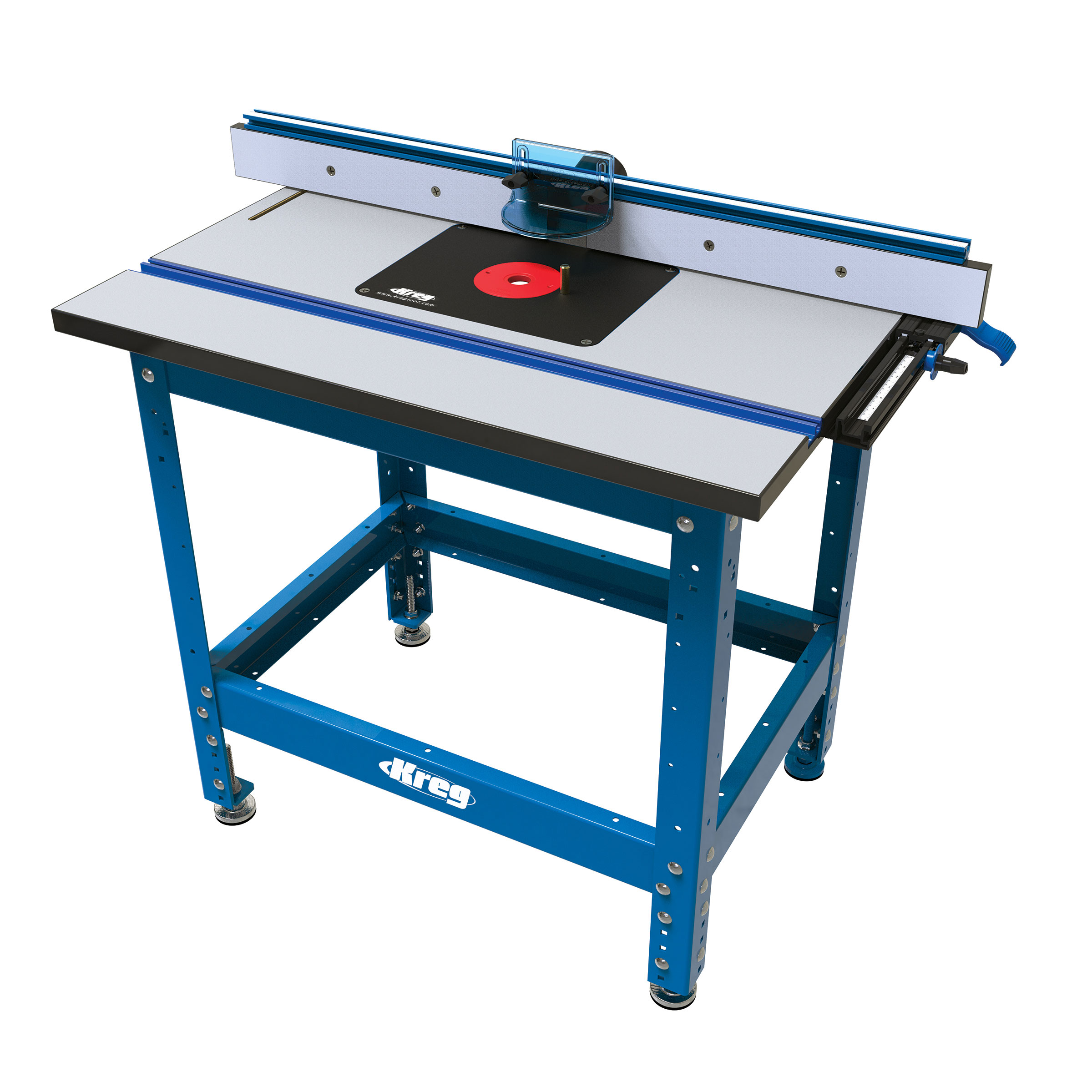
Fixed-base routers are ideal for continuous edge work and mounting in a router table.
Common Uses for Fixed-Base Routers
Fixed-base routers excel at:
Roundovers and Chamfers
• consistent edge profiles
• long, smooth passes
Flush Trimming
• trimming laminate or veneer
• following templates
• copying identical parts
Decorative Profiles
• moldings
• cabinet edges
• trim work
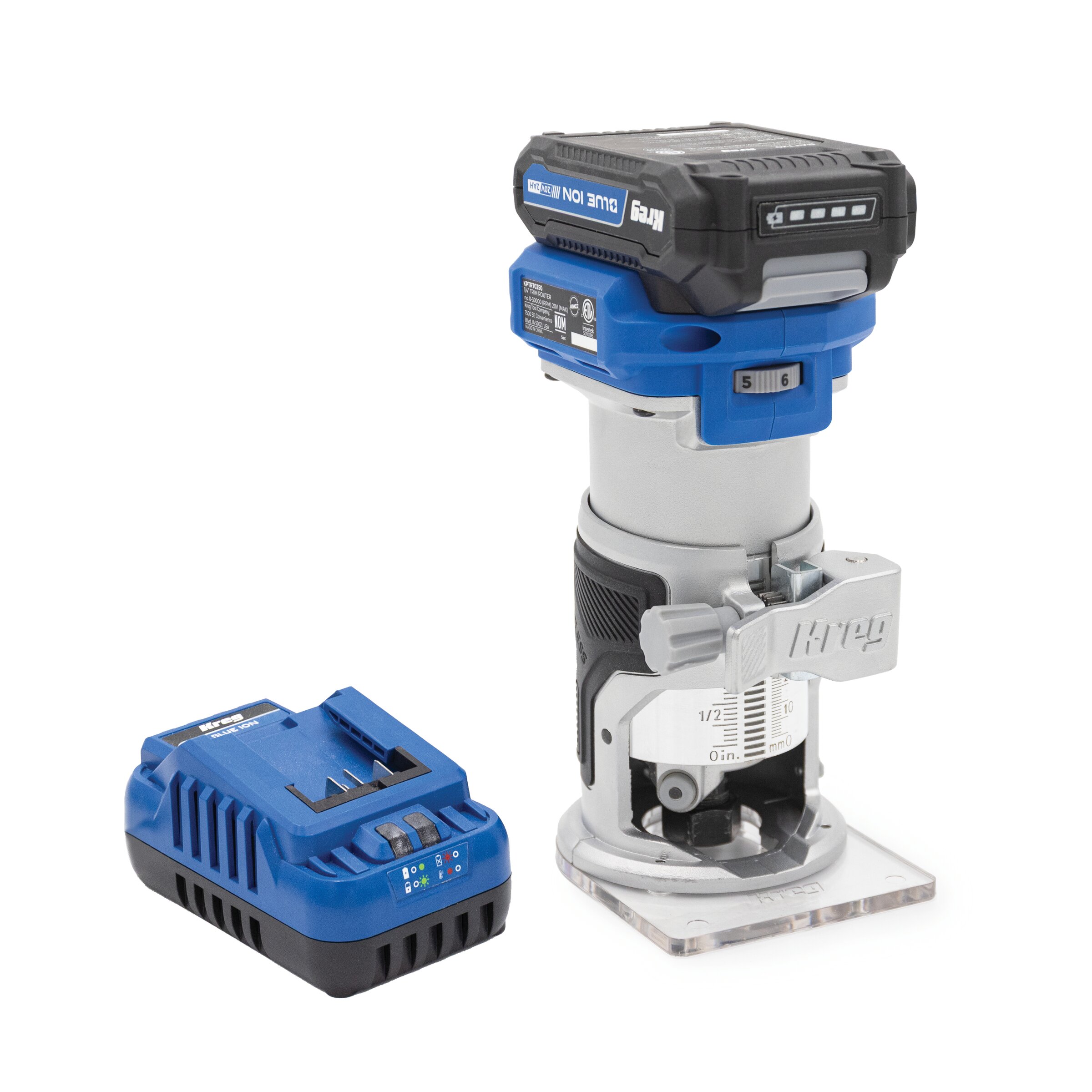
Their smaller size and weight (compared to a plunge router) and stable depth make them especially comfortable for edge routing.
Pros and Cons of Fixed-Base Routers
Advantages of a Fixed-Base Router
• Excellent balance for edge routing
• Faster setup for simple cuts
• Consistent depth once set
Disadvantages of a Fixed-Base Router
• Harder to start cuts in the middle of a board
• Requires edge access or starter holes
• Less flexible for joinery
• Limited interior cutting capability
Pros and Cons of Plunge Routers
Advantages of a Plunge Router
• Start cuts anywhere
• Excellent for mortises and stopped dados
• Works well with templates
• Depth stops improve repeatability
• Fine adjustments allow precision
• Safer cut entry
Quick Tip: Lock the plunge after reaching depth for better stability.
Disadvantages of a Plunge Router
• Generally heavier than fixed-base routers
• Bulkier for edge work
• Higher cost
• More setup time for simple tasks
Plunge Router vs Fixed-Base Router: Key Differences
Depth Control
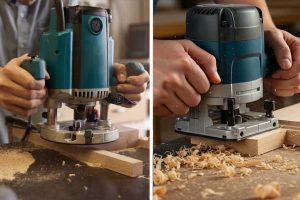
Plunge routers adjust depth during the cut, while fixed-base routers hold a preset depth.
Versatility
Plunge routers handle both interior and edge cuts. Fixed-base routers are best for edges and profiles.
Handling
Plunge routers offer more control when starting cuts. Fixed-base routers are lighter and easier to guide along edges.
Cost
Plunge routers usually cost more but cover a wider range of tasks.
Which Router Should You Choose?
The right choice depends on your projects and experience level.
For Beginners
A plunge router often provides more flexibility and safer cut starts, which helps build confidence. If most work involves edge profiles, a fixed-base router may be simpler to use.
For Experienced Woodworkers
Many woodworkers eventually own both. Plunge routers handle joinery and templates. Fixed-base routers handle production edge work.
Tips for Better Results with a Plunge Router
Use the Right Bits
• Choose bits designed for plunge cutting
• Keep bits sharp
• Match bit size to the cut
Make Multiple Shallow Passes
• Remove material gradually
• Improve surface quality
• Reduce strain on the motor
Quick Tip: Several shallow passes usually cut cleaner than one deep plunge.
Secure Your Workpiece
• Clamp material firmly
• Use guides or fences
• Lock plunge depth before routing
• Keep the base flat during cuts
Keep in mind that a shifting workpiece is one of the most common causes of poor results, making it even more important to clamp or otherwise secure your workpiece.
Plunge Router FAQs
Can you plunge with any router bit?
No, only bits designed for plunge cutting should be used because they clear chips properly and cut safely.
Can you drill a hole with a plunge router?
Yes, a plunge router can bore holes when used with the correct straight or spiral bit and controlled depth settings.
Can you route edges with a plunge router?
Yes, a plunge router handles edge routing once the depth is set and the plunge is locked.
How deep can a plunge router go?
Most plunge routers offer a maximum plunge depth between 2 and 3 inches depending on the model.
What makes a router a plunge router?
A router becomes a plunge router when the motor moves vertically on spring-loaded columns with depth stops and a locking mechanism.